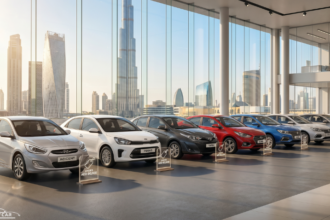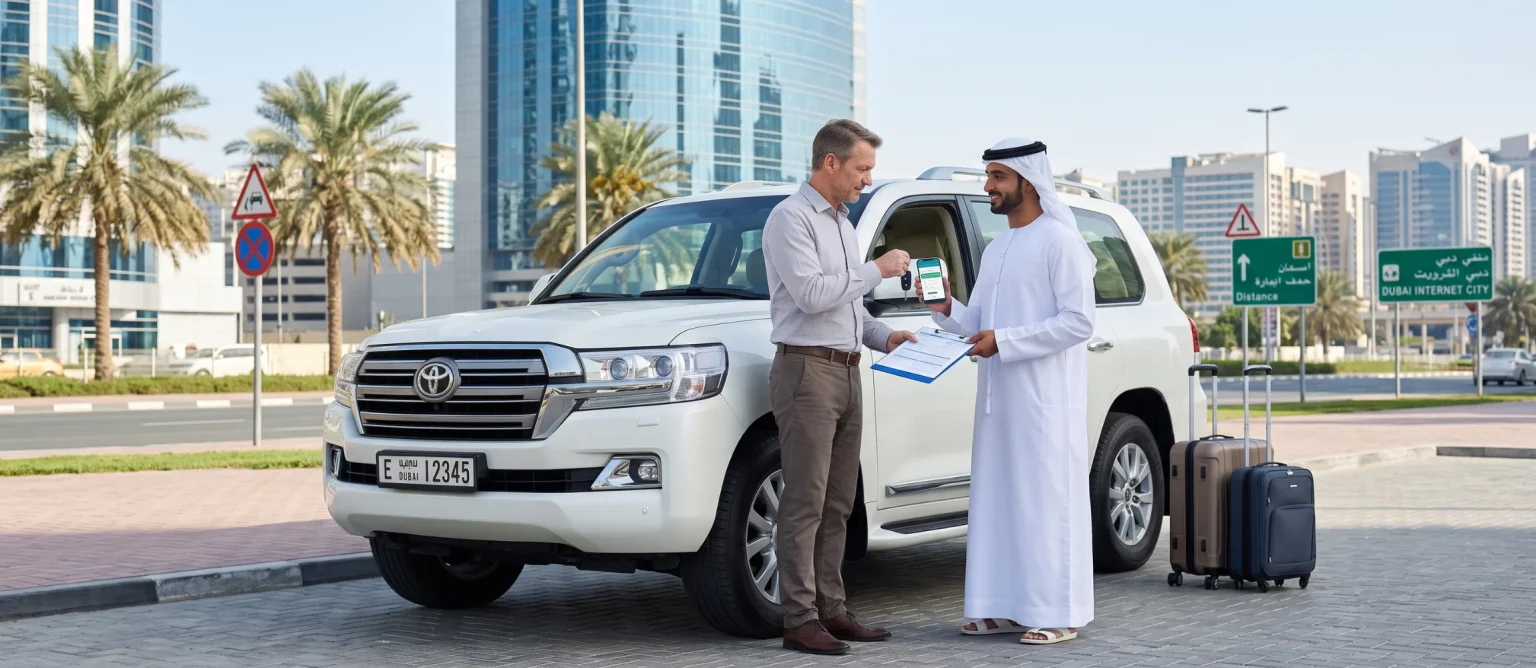
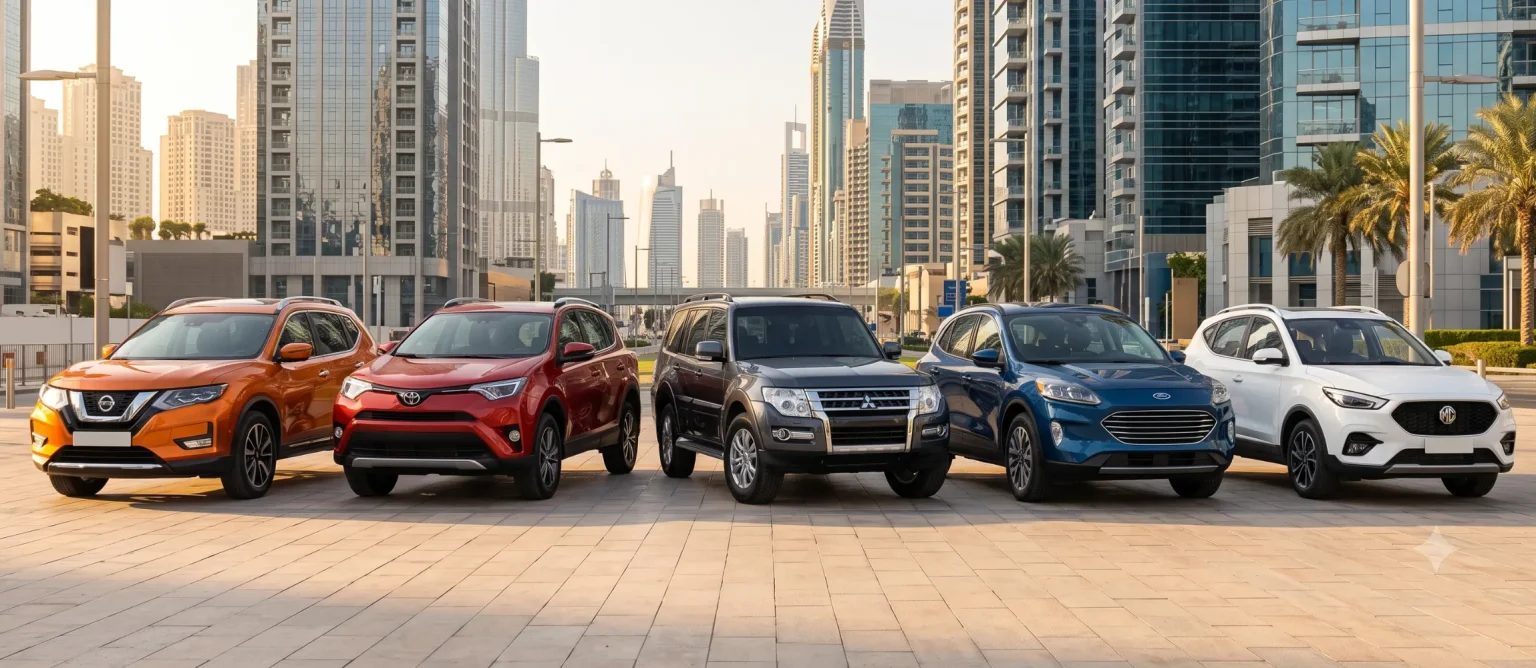

Buyers in the car market during 2026 weigh options between new vehicles and used ones with close attention. The fuel expenses for vehicles remain unchanged while the maintenance costs for older vehicles continue to increase. Compact sedans maintain their appeal because they offer drivers a combination of easy handling, efficient fuel consumption, and durable vehicle construction. The 2026 Toyota Yaris standardizes a 1.5L powertrain delivering 105 HP and a verified 20.4 km/l fuel consumption rating, anchoring the AED 64,900 base trim. It brings updated systems without added complications. Prices begin at AED 64,900 for the base trim. This range suits families and daily commuters who seek steady performance. The blog reviews the choice between new and used based on current data and specifications. They show why this model keeps its position among trusted options for practical transport needs.
The Debate: New Cars Versus Used Cars in 2026
Decisions between new and used vehicles come down to specific priorities in budget and risk tolerance. New cars provide full manufacturer support and the most recent updates. Used cars reduce the initial outlay but introduce variables around previous usage and remaining coverage.
Points in favour of the new Toyota Yaris 2026:
- Full warranty coverage starts immediately upon purchase
- Inclusion of the latest safety and connectivity features
- Clear service history from the start
- Better retention of value in the initial years
- Eligibility for current finance packages
Points in favour of used models:
- Purchase prices fall by 20-30% compared with new equivalents
- Units become available without order delays
- Existing data on actual road performance
- Smaller initial loss from depreciation
Current listings place low-mileage 2026 Yaris models around AED 58,000. Earlier versions from 2023 appear closer to AED 40,000. The price difference drops once potential future repairs on used units enter the calculation.
Spotlight on the Toyota Yaris 2026 Model
This sedan uses a 1.5-litre four-cylinder engine that generates 105 horsepower and 138 Nm of torque. The continuously variable transmission delivers even power flow suitable for urban routes. Mixed driving conditions return fuel figures between 20.4 and 21.7 kilometres per litre. Such numbers help manage ongoing expenses for regular use.
Overall measurements come to approximately 4425 mm long, 1730 mm wide, and 1475 mm high. Ground clearance ranges from 160 to 195 mm. The size supports easy handling in crowded areas while still offering room for five people.
Design and Exterior Features
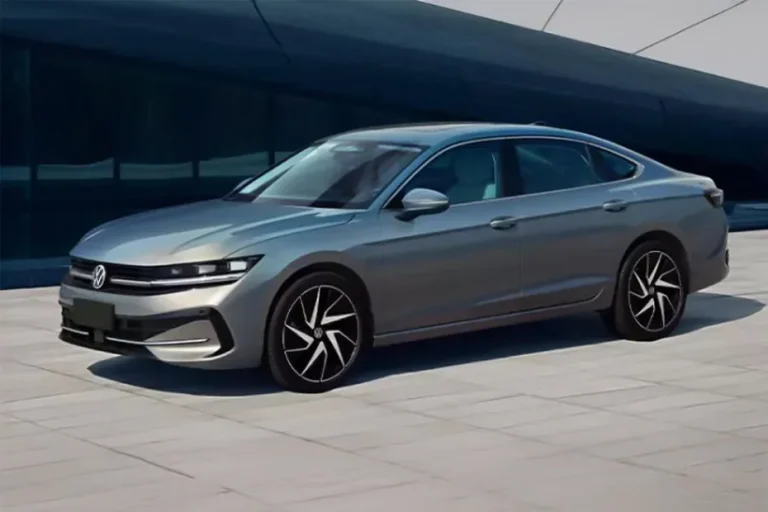
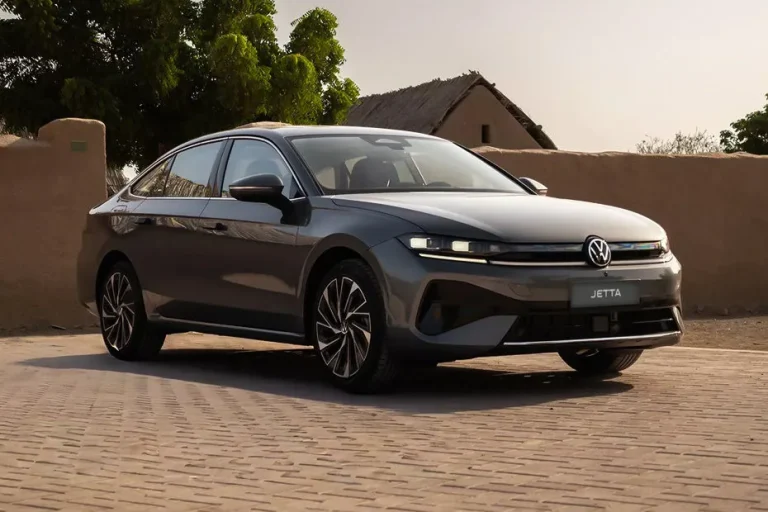
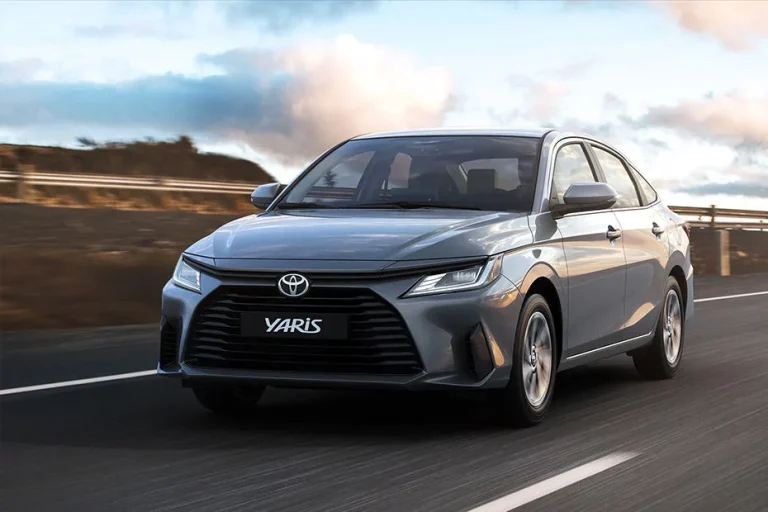
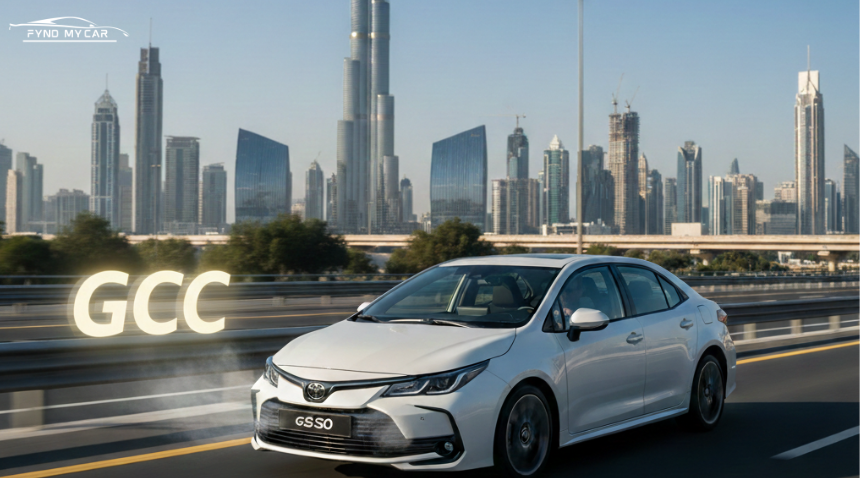
The body shape follows a slanted fastback line paired with a six-light window layout. LED headlamps provide steady light after dark. Door mirrors fold automatically and match the body colour on upper trims. Rear fog lamps improve presence in reduced visibility.
Aerodynamic drag is managed via a slanted fastback profile and an overall height of 1475 mm, contributing directly to highway fuel efficiency. Alloy wheels on selected versions add to the finished look without excess detail.
Interior Comfort and Technology
Materials inside focus on durability and simple assembly. Seats use fabric that stands up to daily wear. Air conditioning performance is engineered for Gulf conditions, with effective cabin pull-down capability at ambient temperatures up to 45°C, ensuring consistent cooling across all seating rows.
The 8-inch display handles audio and supports Apple CarPlay for direct phone connection. Controls on the steering wheel manage volume and calls during drives. Power windows and central locking handle routine operations.
Performance and Efficiency Details
The transmission offers a consistent response in traffic. Front suspension uses MacPherson struts while the rear employs a torsion beam. This setup filters bumps while keeping steering direct.
The engine maintains output across typical temperature swings. A 40-litre tank allows longer intervals between stops at fuel stations.
Safety Features That Matter
Equipment fitted as standard covers dual front airbags and anti-lock brakes with electronic distribution. Stability control and brake assistance support handling in sudden situations. Sensors at the rear plus a camera assist with parking.
Tyre pressure monitoring and child seat fixings add further layers. The system gives clear signals when corrective action becomes necessary. These components support secure daily operation.
Toyota Yaris UAE Review: Reliability and Ownership Experience
A Toyota Yaris UAE review often notes the model for steady long-term service. Engines frequently pass 300,000 kilometres when maintenance follows schedules. Service intervals remain straightforward and keep costs in check.
Drivers mention adequate space and composure on extended routes despite the class size. The tuning separates comfort from sharp responses when required. Fuel use stays consistent even in warmer months.
Service points throughout the region handle work with common parts. This network limits time off the road. Such traits keep the sedan in consideration for both new drivers and experienced drivers.
Cost Considerations and Long-Term Value
The E trim opens at AED 64,900, while the G trim lists at AED 74,900. Finance examples start near AED 1,017 per month, subject to deposit and duration. These levels align with other compact sedans.
Low-mileage used 2026 units change hands near AED 58,000. Value retention after three years ranges from 70% to 75% in many cases. This rate limits the net cost over time compared with models that lose value quicker.
Expenses for fuel, coverage, and servicing stay within moderate ranges. The mix of economic growth and strength-building supports extended use without sharp increases in outlays.
Final Thoughts on Choosing the Toyota Yaris 2026
The selection between new and used rests on available funds and tolerance for variables. The new 2026 Toyota Yaris UAE offers comprehensive coverage and up-to-date specifications from the outset. It offers predictable behaviour and avoids early repair surprises. Many choose it for routine travel and occasional trips where dependability counts. Records show continued interest and steady demand. For transport that emphasizes consistency, the current version holds as a measured selection.
FAQs
What engine powers the Toyota Yaris 2026 and how efficient is it overall?
The 1.5-litre four-cylinder engine delivers 105 horsepower with a CVT transmission and achieves around 20.4 kilometres per litre in mixed conditions.
How does the new Toyota Yaris 2026 compare in price to recent used models?
New base models start at AED 64,900, while low-mileage 2026 used examples list near AED 58,000 depending on condition and options.
What safety equipment comes standard on the Toyota Yaris 2026 sedan?
Standard features include dual airbags, ABS with EBD, stability control, rear parking sensors, a rear-view camera, and tyre pressure monitoring system.
Does the Toyota Yaris 2026 offer good value for daily commuting needs?
Yes it provides responsive handling, efficient fuel use, and a compact size that suits city driving while maintaining comfortable cabin space for passengers.
Why do many buyers still trust the Toyota Yaris 2026 as a safe choice?
Toyota engineering delivers proven long-term reliability exceeding 300,000 kilometres with low maintenance needs and strong resale values over several years.