
What if the car sitting in a Sharjah driveway right now, priced at AED 45,000, is worth AED 3,000 less than it will be a few weeks from now? That’s not a hypothetical anymore.
UAE’s used car market follows cyclical trends depending on expatriate movement, family upgrading, and prices of fuel, and this year’s situation has brought these cyclical trends closer than ever. If you have been delaying your decision to buy or sell a car, these trends matter much more than any negotiating tactic.
Why Does The UAE Used Car Market Trends 2026 Feel Different This Year?
Anyone who has browsed UAE car market listings in 2026 has noticed it. In 2026, UAE car market trends show a clear preference for value over prestige. After the pandemic-era price fluctuations, the UAE car market has stabilized and become more rational. Supply is now adequate. Customers are more informed, and vendors can no longer capitalize on shortages to charge high prices.
The Big Shift: Affordability Over Badge Value
There have been more buyers buying in the category of AED 25,000 to 60,000 compared to past years. This is not due to people having less money but a shift in mentality where buyers are comparing fuel efficiency and cost of ownership rather than focusing on getting a name on the bonnet.
- Compact sedans and hatchbacks are selling fast in this category
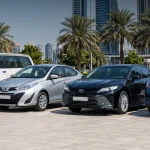
- Toyota Corolla, Nissan Sunny, and Hyundai Accent postings hardly make it a week on websites
- Hybrid SUVs are creeping into the same conversation as buyers plan ahead
Used Car Prices UAE: What’s Actually Happening
Let us do some mathematics now, as that is what everyone wants to hear. Used car prices in UAE indicate that the market is slowly warming up after some quiet moments. Fuel prices are moving upwards in recent times, hence encouraging buyers to look for fuel-efficient vehicles. There are families who are bringing their old cars back to the market, thus adding to the supply. The increase in supply has prevented prices from rising even as demand increases for SUVs.
Approximate Segment Pricing
| Segment | Example Models | Typical Price Range (AED) |
| Budget sedans | Nissan Sunny, Hyundai Accent | 25,000 – 45,000 |
| Compact sedans | Toyota Corolla (2021–2023) | 42,000 – 55,000 |
| Mid-size SUVs | Hyundai Tucson, Kia Sportage | 55,000 – 90,000 |
| Hybrid SUVs | Toyota RAV4 Hybrid (2022–2023) | 85,000 – 100,000 |
| Large 4x4s | Nissan Patrol SE, Land Cruiser | 135,000 – 165,000 |
| Luxury sedans/SUVs | BMW X5, Mercedes E-Class | Highly variable, negotiable |
Prices are directional averages drawn from major UAE listing platforms and shift with mileage, spec, and accident history.
Demand Patterns: What Buyers Actually Want?
SUVs still dominate. Desert driving conditions and large families make them the default choice for most households, and that hasn’t changed in 2026. But the story underneath is more interesting.
- Hybrid and fuel-efficient models are the fastest-growing search category, driven by fuel costs and longer-term ownership planning
- Japanese 4x4s (Land Cruiser, Patrol) remain tight on supply because GCC and export buyers compete for the same stock
- European luxury brands are now soft, with dealers becoming flexible because of concerns about maintenance costs.
- Electric cars represent just a tiny portion of the used car market, but they have become more noticeable as charging infrastructure improves.
Here’s the practical takeaway: if you’re chasing a Land Cruiser or Patrol, expect to compete. If you’re open to a European luxury car, you likely have real negotiating room.
Best Time to Buy Used Car UAE: Timing the Market
If there’s one thing every seasoned UAE car buyer agrees on, it’s this: The best time to buy a used car in the UAE isn’t random. It follows the country’s expat and lifestyle rhythm, not a fixed calendar date.

Patterns Worth Knowing
- Expat relocation periods definitely put more quality used cars on the market because moving people want to get rid of their cars fast.
- Slower demand periods tend to give buyers more room to negotiate, as sellers face less competition for attention
- The season of family upgrading definitely brings more SUVs and sedans in listings due to families getting new cars.
- Festive and promotional periods often bring dealer incentives like free registration or bundled insurance, even on used stock
- High-demand periods definitely increase prices. Therefore, patience during low-demand periods definitely pays off.
The underlying rule stays the same no matter when you’re shopping: more listings and less buyer competition almost always translate into better deals.
Quick Buyer Checklist
- Start searching weeks before buying a car
- Make sure to place an alert on the listing site for the desired model of car
- Always request an inspection report before negotiations begin
- A car with even minor accident history often lists lower, use that as leverage
- Location will not make much of a difference; prices vary very little in Dubai, Abu Dhabi, and Sharjah
What’s Driving Prices Behind the Scenes?
A few structural forces are shaping every segment of the market this year, whether buyers notice them or not.
- Rising new car costs: Import expenses and newer vehicle technology have pushed new car prices up, pushing more buyers toward nearly-new used vehicles.
- Increased clarity: Online services and verified listings now make price comparison much more straightforward than it was in the past, making things less of a guessing game for UAE customers.
- Steady ownership costs: Insurance, finance rates, and maintenance remain higher than pre-2020 levels, which keeps buyers cautious even when a car looks like a bargain upfront.
- Regional export demand: GCC buyers actively compete for durable, well-known models like the Land Cruiser and Patrol, which keeps prices for those specific vehicles firmer than the rest of the market.
Tips for Getting the Best Deal
- Compare mileage brackets: Below 50,000 km is great; each additional 10,000 km deducts AED 1,000 to 3,000 from the price.
- Look into GCC vs. import specification: GCC-specification cars are designed for the conditions in the region. Import-spec cars are 10 to 20% cheaper, but harder to maintain.
- Service history makes a difference: It raises the price by 5 to 10%, but it is worth the money.
- Don’t forget the accident history: Even a minor one can reduce resale value by 15 to 25%.
- Negotiate with data, not guesses: Buyers who come prepared with comparable listings tend to save several thousand dirhams
Selling? A Few Things Work in Your Favor
For you, the one who is buying, there comes a time when people upgrade, hence making those times a good period to buy. Well-maintained and documented cars sell much faster than those that aren’t. Be realistic when pricing the car. If it is overpriced, it might take a long before selling for even less than the initial price.
The Bottom Line
Buying used cars in the UAE in 2026 is easy for those who can spend some time doing their research. Prices are not going down, nor are they going up. Rather, they have settled into trends that are governed by gasoline prices, expatriate patterns, and the demand for utility over prestige. The knowledge of these trends is worth more than a single perfect deal.
FAQs
1. Are used car prices in UAE going up or down at this moment?
A. Used car prices are currently increasing moderately following an underperforming period amid the rise in fuel prices and consistent demand for family cars despite competitive pricing in lower segments.
2. When is the best time to purchase a used car in the UAE?
A. No specific date can be provided. It is possible to acquire the best opportunities when expats or families move, making cars available on the market.
3. What is the most in-demand segment of used cars in the UAE at the moment?
A. Mid-size SUVs and hybrids are most in demand, while Japanese 4x4s such as the Land Cruiser or Patrol face high demand and low supply.
4. Do used car prices include VAT in the UAE?
A. Private sales between individuals typically don’t attract VAT, but dealer sales may include 5% VAT, so it’s worth confirming directly with the seller.
5. Is it better to buy from a dealer or a private seller?
A. Dealers usually offer inspection reports and warranties, which add safety but also cost, while private sellers can offer lower prices but require more due diligence from the buyer.