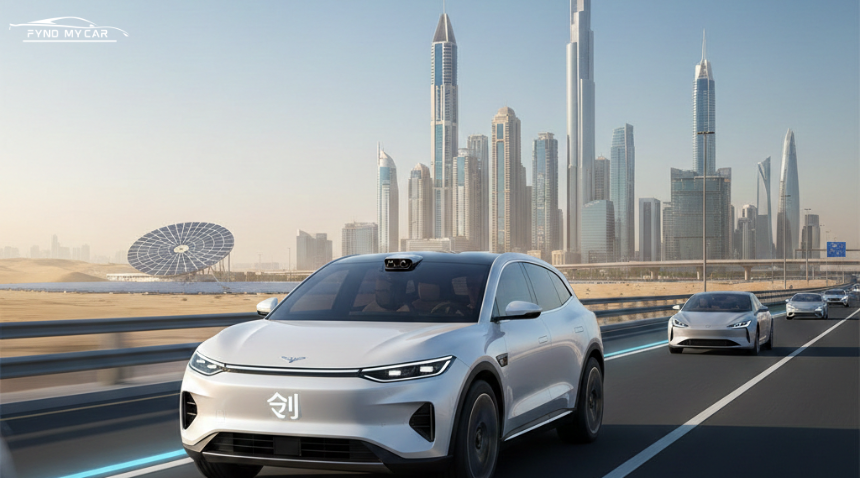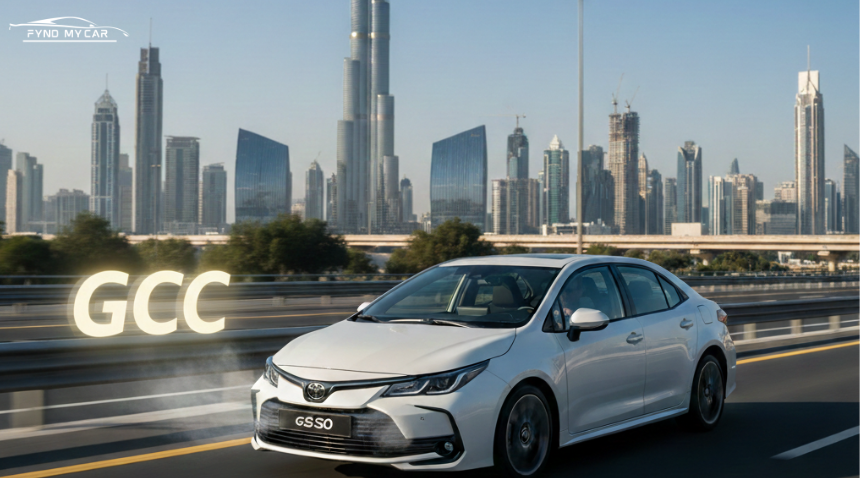

The United Arab Emirates together with the entire Gulf Cooperation Council region experiences extremely hot summer temperatures that frequently exceed 45°C. This is where a working car air conditioning system becomes very essential. Nowadays buyers assess the cooling abilities of new Chinese SUVs such as Changan CS75 Plus 2026 against established Japanese Toyota SUV models. Today, the most frequent debate in the automotive sector is the “Changan CS75 Plus vs Toyota SUVs” comparison because it centers on which SUV provides superior cabin cooling during extreme weather conditions in the UAE and across the entire GCC region.
The Changan CS75 Plus 2026 has recently grabbed a lot of eyeballs because of its modern features, powerful engine, and competitive pricing. But does it really offer a better AC system than Toyota SUVs, which is well known for their strong cooling performances in desert climates? The blog presents actual specifications together with GCC-centric information and real-world application to guide experienced customers and first-time buyers.
Changan CS75 Plus 2026 Review: Cooling Features Explained
The Changan CS75 Plus 2026 review shows that the SUV provides multiple features. The car has gained attention in the GCC market due to its 2.0-litre turbocharged engine producing 233 HP, dual-zone automatic climate control, rear AC vents, cabin air filtration system, and the availability of remote-start pre-cooling technology.
Drivers can use these features to cool the cabin before entering the car which provides them essential assistance in hot weather conditions. The rear AC vents provide airflow to the back seat passengers who need it. However, the cooling system works effectively for the front seats but for rear seats, it takes extra time especially during peak summers. This means the air conditioning system may not operate the fastest in challenging hot weather.
Toyota SUVs in GCC: Why Are Their AC Systems Trusted?
Toyota vehicles, especially models like the Fortuner, have built a strong reputation in the GCC because of the following capabilities:
- Dual-zone automatic AC
- Strong compressor performance
- Heat-rejection glass
- Consistent cooling across all rows
What makes Toyota SUVs stand out is not just their features, but consistency in operational performance. The cars are tried and tested in desert climates, which gives them a significant advantage in terms of long-term reliability and cooling efficiency.
Changan CS75 Plus vs Toyota SUVs: AC Cooling Comparison
Here’s a direct comparison between Changan CS75 Plus vs Toyota SUVs in terms of AC performance:
1. Cooling Speed
Changan:Its cooling system generally requires more than 11 minutes to achieve rear-seat temperature balance under similar conditions. While the system performs reliably for front passengers, the cooling pull-down time for the rear cabin is slightly slower when the vehicle starts from extreme heat conditions..
Toyota:Independent testing shows that Toyota SUVs equipped with Denso variable-displacement compressorscan reduce cabin temperature to 22°C in under 8 minutes after a full heat soak.
2. Rear Seat Comfort
Changan: The rear vents provide cooling but it takes more time to achieve the desired temperature.
Toyota: The system delivers powerful air movement which reaches the second and third seat sections.
3. Pre-Cooling Features
Changan: The remote start function enables users to cool the vehicle interior before they enter the car.
Toyota: The brand provides restricted remote cooling functions through particular model options.
4. Long-Term Reliability
Changan: The company shows progress in its testing of products for extended periods.
Toyota: The company has demonstrated its product reliability through GCC testing which has been conducted over multiple years.
5. Cabin Insulation
Changan: The insulation performance varies according to different trim levels.
Toyota: The company provides effective soundproofing through its use of materials that block heat.
Performance Beyond AC: Real-World Driving in GCC Conditions
In UAE and the wider GCC driving conditions, the vehicle requires assessment of multiple factors which extend beyond AC system performance. Here are few of them:
- Light color as vehicles tend to stay cooler.
- Parking conditions whether it is covered or open to avoid direct sunlight.
- Size of the car cabin and overall layout
- Glass quality and tint.
The Changan CS75 Plus GCC specs perform well for city driving and short trips. Its remote start feature offers great advantage, whereas the Toyota SUVs outperforms it especially when you’re driving in the UAE at daytime or in peak summers across the GCC desert region.
Final Verdict: Which One Has Better Air Conditioning System?
If your main concern is strong and reliable cooling in extreme GCC heat, Toyota still performs better overall. Its AC system is more consistent, especially for rear seating passengers and long drives.Though the Changan is a growing competitor whose SUVs also offer modern features and good cooling performance, it may not match Toyota’s level in extreme heat conditions.
FAQs
1. Is Changan CS75 Plus 2026 good for UAE summers?
The vehicle operates effectively during summer months because it has dual-zone air conditioning and remote engine start capabilities, although the rear air conditioning system may take longer to cool during the extreme summer heat.
2. In Changan CS75 Plus vs Toyota SUVs, which has better AC?
Toyota SUVs provide superior cooling performance which maintains consistent results under extreme heat conditions experienced in the GCC region.
3. What are the Changan CS75 Plus GCC specs for AC?
The system includes automatic climate control functions together with rear vents and air filtration system, which operates at optimal efficiency to provide comfort during hot weather conditions.
4. Does Toyota Fortuner have strong AC for desert conditions?
The vehicle operates at maximum cooling capacity, which delivers strong air conditioning performance through its dual-zone climate control system.
5. Is Changan CS75 Plus 2026 review positive overall?
The vehicle receives high acclaim because its features and performance and value all receive positive evaluation yet its air conditioning system produces slightly reduced output during extreme heat conditions when compared to Toyota vehicles.