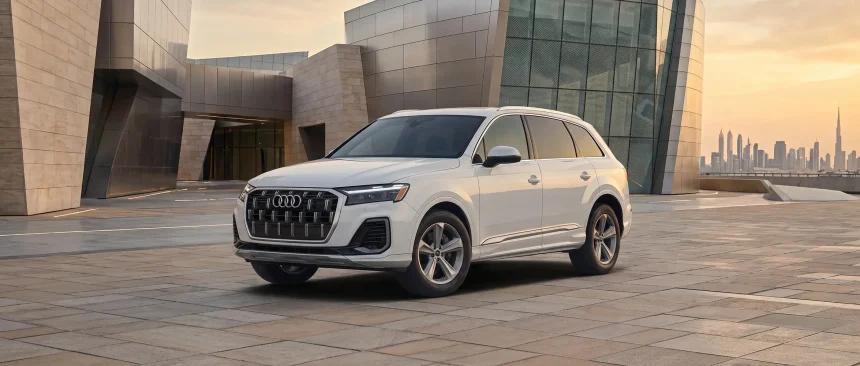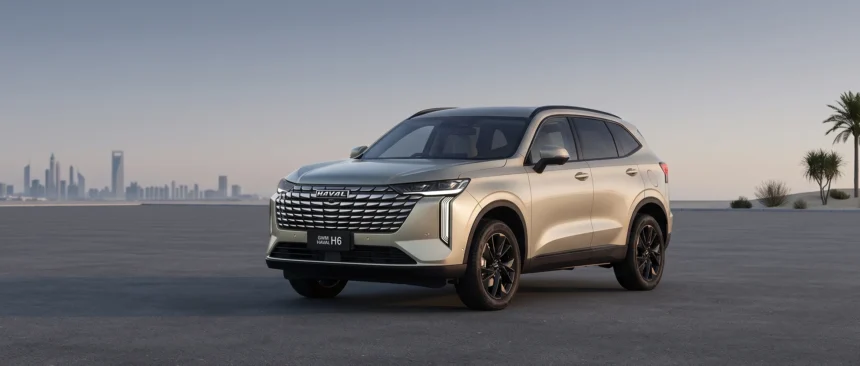

Extreme heat reshapes how vehicles are evaluated in the UAE. After hours parked under direct sunlight, interior temperatures surge and air-conditioning systems are pushed to their limits the moment the engine starts. For regional buyers, comfort is judged in the first few minutes, not after a long drive. In this context, Best GCC Specs are defined by one critical factor: the AC cools the fastest after parking in the sun. This requirement has become central when assessing the best compact SUVs for UAE summer, as comfort recovery time now outweighs many traditional performance metrics.
Vehicle Type & Segment Explanation: Why Compact SUVs Suit UAE Conditions
Compact SUVs offer a practical balance between cabin size, cooling efficiency, and everyday usability. Their relatively smaller interior volume allows air-conditioning systems to reduce temperatures faster compared to larger SUVs. At the same time, elevated seating, improved insulation, and optimized air circulation support comfort during peak heat. Most models in this segment are engineered with compact SUVs GCC specs, focusing on enhanced cooling hardware and materials suited for extreme climates. As reflected in ongoing automotive industry news, this category continues to gain traction among urban drivers who want reliable summer performance without excessive fuel consumption.
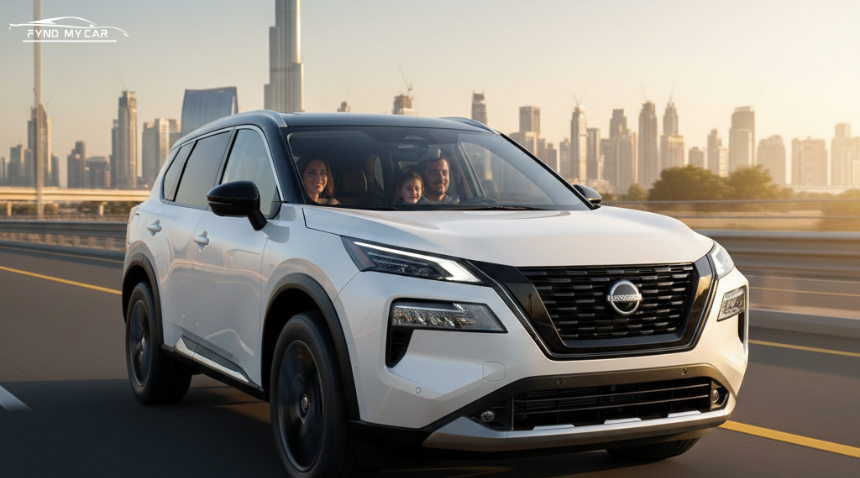
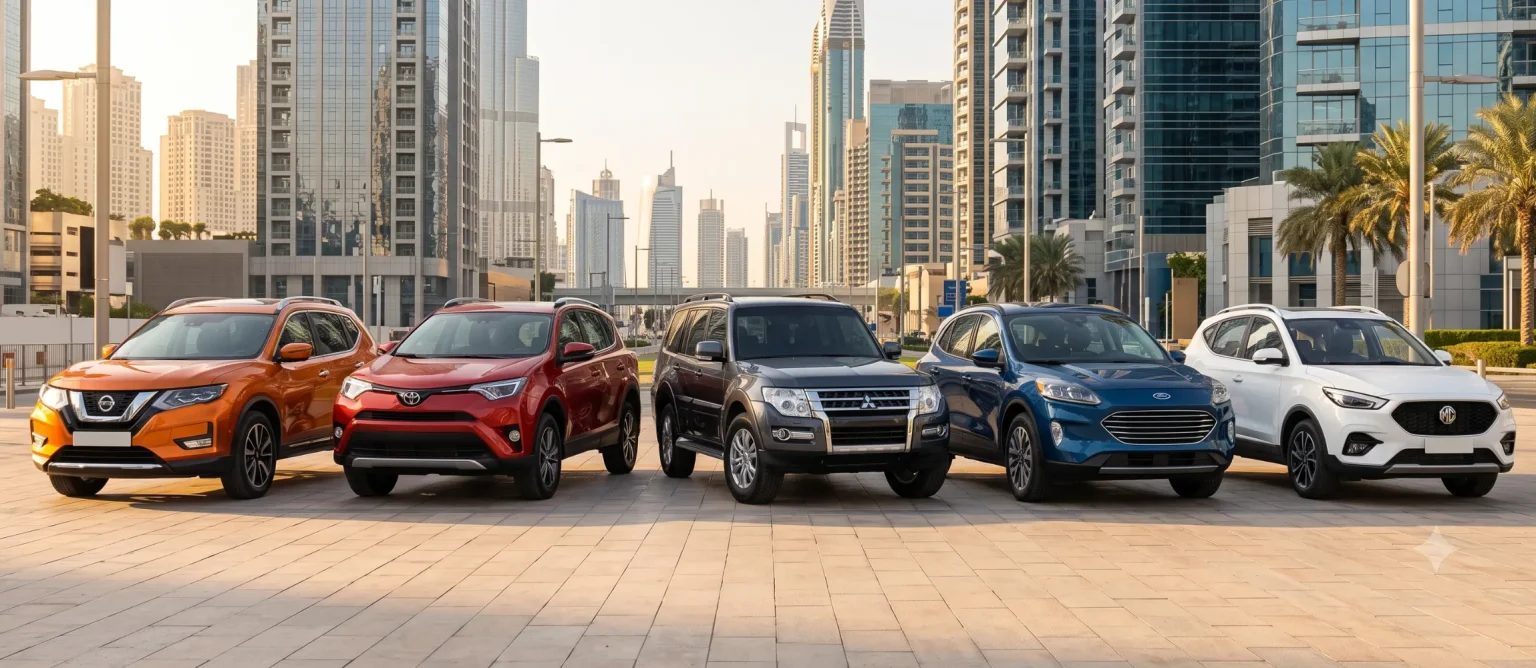
Nissan X-Trail: Balanced Cooling and Practical Cabin Design
The Nissan X-Trail is engineered to deliver steady and predictable cooling in high temperatures. Its design prioritizes quick cabin temperature reduction immediately after startup, which is crucial in UAE summers. Rather than relying on complex systems, it focuses on airflow efficiency and insulation.
Cooling & Comfort Highlights
- High-capacity AC compressor tuned for rapid pull-down
- Large front vents with evenly distributed rear airflow
- UV-resistant glass to reduce heat absorption
- Well-insulated cabin materials to limit heat soak
For buyers seeking dependable performance among the best compact SUVs for UAE summer, the X-Trail remains a practical choice without unnecessary complexity.
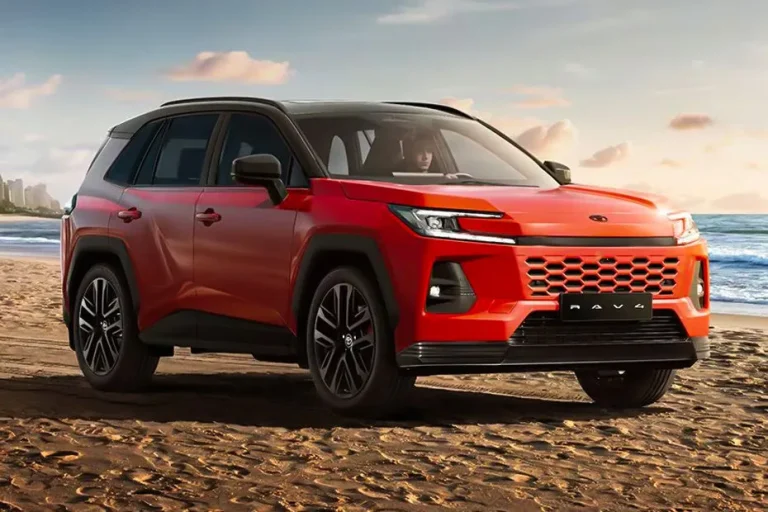
Toyota RAV4: Thermal Stability with Efficient AC Output
Toyota RAV4 is known for consistency in demanding environments. Its climate system is designed to stabilize cabin temperatures quickly after prolonged sun exposure, maintaining comfort without excessive fan noise or strain.
Cooling & Comfort Highlights
- Strong AC system optimized for hot-weather recovery
- Rear-seat air vents for uniform cooling
- Heat-resistant interior trims to reduce retained warmth
- Balanced airflow distribution across the cabin
These features align closely with compact SUVs GCC specs, making the RAV4 a reliable option for daily driving during intense summer months.
Mazda CX-5: Smart Air Distribution for Faster Comfort
Mazda CX-5 emphasizes intelligent airflow management. Instead of overwhelming the cabin with raw airflow, its system directs cool air toward occupants first, improving perceived comfort in less time.
Cooling & Comfort Highlights
- Targeted air distribution to seating zones
- Efficient circulation that minimizes hot air pockets
- UV-protected glass to slow interior heat buildup
- Compact cabin layout supporting quick cooling response
Often mentioned in automotive industry news for its refined engineering, the CX-5 appeals to drivers who value controlled cooling and a composed driving experience.
Hyundai Tucson: High-Output Cooling for Immediate Relief
Hyundai Tucson is designed to deliver strong initial cooling, which is especially valuable after long hours of outdoor parking. Its system prioritizes fast airflow to bring down cabin temperatures as quickly as possible.
Cooling & Comfort Highlights
- High-output AC response at engine start
- Wide air ducts supporting rapid temperature drop
- Rear AC vents for consistent passenger comfort
- Durable interior surfaces built for heat endurance
This focus on recovery speed positions the Tucson among good new cars for families and daily commuters dealing with extreme summer heat.
Why Cooling Performance Matters More Than Power in the UAE
In extreme climates, engine output takes a back seat to cabin comfort. Vehicles designed with compact SUVs GCC specs address this reality through stronger compressors, better insulation, and refined airflow paths. These elements directly affect how usable a car feels during peak summer conditions. Buyers following automotive industry news increasingly evaluate models based on cooling response time rather than acceleration figures, as comfort and component longevity depend heavily on thermal management.
GCC Mechanical and Durability Specs That Support Summer Cooling
Fast cabin cooling is only possible when the vehicle’s mechanical systems are engineered to survive sustained thermal stress. GCC-spec compact SUVs use higher-tolerance AC compressors designed to operate continuously at extreme ambient temperatures without pressure drop or early wear. These compressors are paired with reinforced condenser units that dissipate heat efficiently even in slow traffic or high idle conditions.
Cooling system durability also depends on upgraded engine cooling components, including larger radiators, stronger cooling fans, and heat-resistant hoses. These prevent heat soak from the engine bay from reducing air-conditioning effectiveness after startup. Electrical components supporting climate control, such as sensors and control modules, are rated for higher temperature thresholds to ensure consistent operation during peak summer months.
Underbody heat shielding and firewall insulation further protect the cabin from radiant engine heat. Together, these mechanical adaptations form the backbone of compact SUVs GCC specs, ensuring that cooling performance remains reliable year after year. This engineering focus is increasingly highlighted in automotive industry news, as long-term heat durability now defines which vehicles truly qualify as good new cars for UAE conditions.
Conclusion
Selecting the right compact SUV in the UAE goes beyond design and brand appeal. Real-world performance begins the moment the doors open after sun exposure. Models that cool the cabin fastest deliver better comfort, protect interior components, and reduce long-term wear. This is why the best compact SUVs for UAE summer are defined by their ability to restore comfort quickly and consistently. When evaluated through this lens, these vehicles stand out not just as capable options, but as truly good new cars built for the realities of the region’s climate.
FAQs
1. What does “Best GCC Specs” mean for compact SUVs in the UAE?
Best GCC Specs refer to vehicles engineered for extreme heat, where the air-conditioning cools the cabin fastest after sun exposure, supported by heat-resistant components and insulation.
2. Why is AC performance more important than engine power in UAE summers?
In extreme heat, cabin comfort matters immediately after startup. Fast cooling reduces occupant stress, protects interiors, and improves daily usability more than horsepower figures.
3. How do compact SUVs with GCC specs handle long-term heat exposure?
They use reinforced cooling systems, high-temperature-rated electronics, improved insulation, and durable interior materials to maintain consistent performance during prolonged UAE summer conditions.
4. Are compact SUVs better than larger SUVs for summer cooling efficiency?
Yes, smaller cabin volumes cool faster, allowing air-conditioning systems to restore comfort quickly while consuming less energy than larger SUVs in similar heat conditions.
5. How can buyers test cooling performance during a showroom visit?
Buyers should start the vehicle after outdoor parking, measure initial cooling time, check rear vent airflow, and assess how quickly the cabin reaches comfortable temperatures.