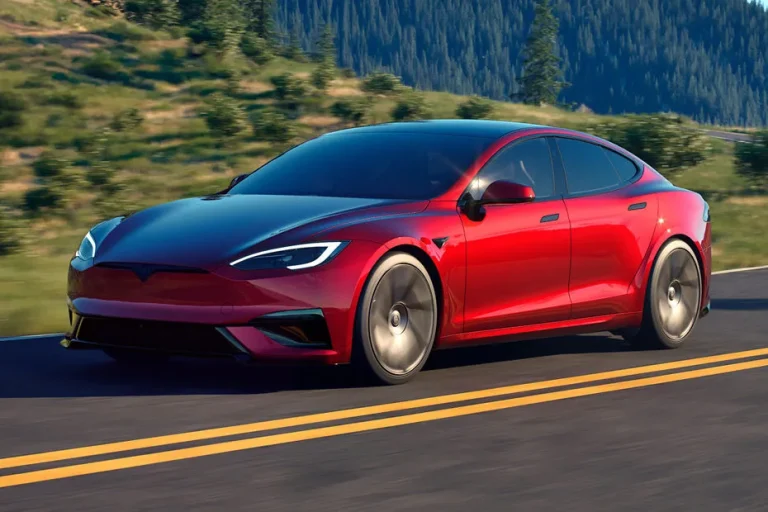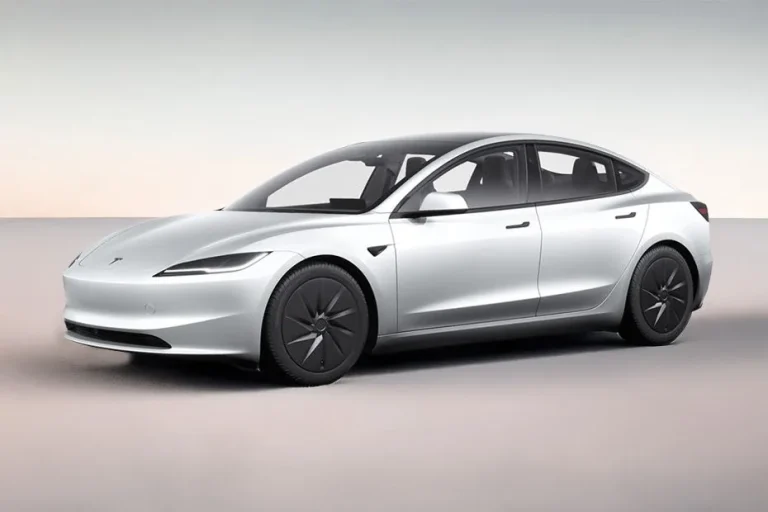


The motor industry is changing at a rate never seen before. Electric vehicles (EV) represented 16 percent of new car sales in the world in 2023 and analysts believe it will be more than 30 percent by 2030. Governments around the world are stricter on emissions, have created incentives and promoting mobility that is clean. Car manufacturers are countering this by increasing EV models, smaller city cars to luxury performance SUV, and investing in the new generations of battery technology.
The question of whether an electric car is appropriate to me is no longer on whether it is about the environment or not, but rather about convenience, saving money, and the advantages in the long run. The assessment of your driving habits, residential infrastructure, environmental objectives, and money will enable you to make an informed decision.
Benefits of Owning an EV
Being an EV owner also has several benefits other than zero emissions:
| Benefit | Why It Matters | Typical Impact |
| Lower Fuel Costs | Electricity is cheaper than gasoline | 60–70% reduction in fuel costs |
| Reduced Emissions | Contributes to cleaner air | 100% CO₂ reduction per mile |
| Lower Maintenance | Fewer moving parts, no oil changes | 25–35% lower annual maintenance |
| Instant Torque | Smooth and quick acceleration | 0–60 mph in 5–7 seconds (many models) |
| Quiet and Comfortable | Minimal engine noise and vibrations | 30–40 dB quieter than ICE vehicles |
In addition to a better environmental impact and financial one, EVs also offer a better driving experience. They are responsive and comfortable with the instant torque and quiet operation especially in urban traffic.
Evaluating Your Driving Habits
Before purchasing an EV, it is important to know what your driving needs are.
Daily Commute
The range of most contemporary EVs is 250-350 miles on a single charge and is therefore suitable in daily commuting. In case you have a daily commute of less than 100 miles, then an EV is feasible and can satisfy your transportation requirements with limited charging inconveniences.
Long-Distance Travel
To people who travel long distances on a daily basis, charging infrastructure will be critical. Finally: Fast chargers (approximately 150 kW) add 75 miles in 15 minutes, which allows bigger trips on the weekend or interstate. It is possible to plan routes that go round charge stations hence eliminating stress.
Home Charging and Infrastructure.
A garage or a driveway makes ownership of the EV easier. A Level 2 charger (240 V) can be installed at home which will be able to give 30-50 miles of charge in an hour which is enough to charge EV in most cases overnight. Moreover, the operating costs can be lowered by 20-30 percent through electricity rates, in particular off-peak plans. Reliable charging at either home or workplace has major impacts on convenience and cost-effectiveness.
Budget, Pricing and Incentives.
EVs may seem costly at first but incentives will subsidize the cost. A number of EVs have an initial cost of about 30,000 with federal tax credits, and a maximum of 7,500 in federal incentives and state or local benefits, such as rebates, access to HOV lanes and free parking.
Example Savings:
A 25 kWh EV versus a gasoline-powered car with 25 miles to the gallon (12000 miles/year, 3500/gallon):
- EV: ~$0/year in fuel
- Gasoline Car: ~$1,680/year
- Annual Savings: Approximately, $3000 with incentives.
These savings over time render EVs to be economically competitive to traditional cars.
Common EV Myths Debunked
| Myth | Reality |
| EVs have short range | Most EVs now offer 300+ miles per charge, with fast-charging networks along major routes |
| Charging takes too long | Level 2 chargers add 30–50 miles/hour; fast chargers can add 75 miles in 15 minutes |
| EVs are expensive | Total cost of ownership is often lower than comparable gasoline cars when incentives are included |
| EVs are unsafe | EVs typically have excellent crash ratings due to low center-of-gravity battery placement |
Debunking these myths assists the potential customers in making sound decisions without fallacies.
EV Decision Matrix
One of the decision matrices may be used to measure how you can fit an EV in your lifestyle:
| Factor | Poor Fit (1) | Moderate (3) | Excellent Fit (5) |
| Daily Mileage | >350 mi | 200–300 mi | <100 mi |
| Home Charging | None | Sometimes | Dedicated charger |
| Budget | <$25k | $35–50k | >$65k |
| Environmental Priority | Low | High | Extreme |
| Incentives | None | Moderate | Maximum |
Rewards None Middle Ground Maximum.
- 0-12 points: EV might not be appropriate at the moment.
- 13-20 points: EV is feasible; think over your priorities.
- 21-25 points: EV is probably the correct decision.
Real-World Success Stories
- New York: John, Tesla Model 3, 35-mile commute every day, weekend excursions. Wastes 1, 200/annually on gas and has HOV lane privileges.
- Maria Austin: Nissan Leaf, home Level 2 charger. Through savings of $900/year and lessening of CO2 emissions by 3,500 lbs/year.
- Phoenix, David: Chevrolet Bolt, charges fast on 200-mile journeys. Received state rebate of 3000 dollars and renewable energy incentives.
These illustrations demonstrate that EVs can suit most types of lifestyles, such as urban commuters to frequent travelers.
Before purchasing, a number of Practical things beforehand
- Take into account Environmental Goals: Learn the actual effect on emissions in reality.
- Test Your Daily Driving: Make sure that the range of your normal mileage is within the range of the EV.
- Check Charging Infrastructure: Trace the publicly charged stations in your frequent routes.
- Examine Costs: Inclusive electricity, incentives, maintenance saving and the overall cost of ownership.
- Test Drive: Check comfort, acceleration, driving feel.