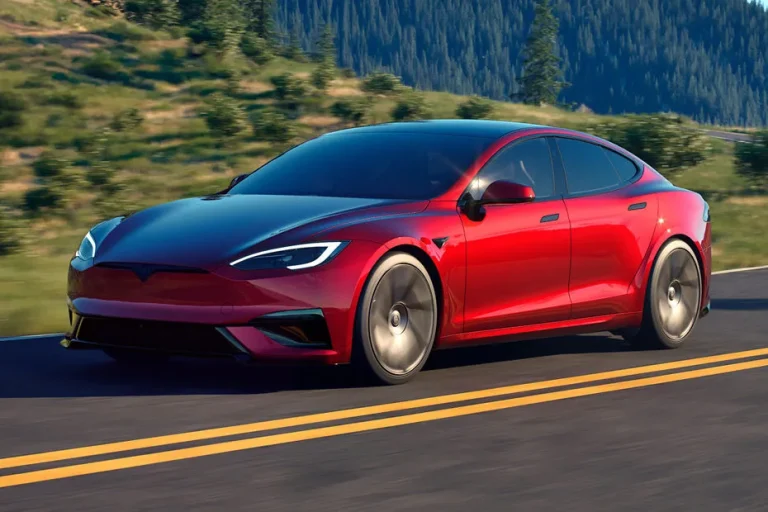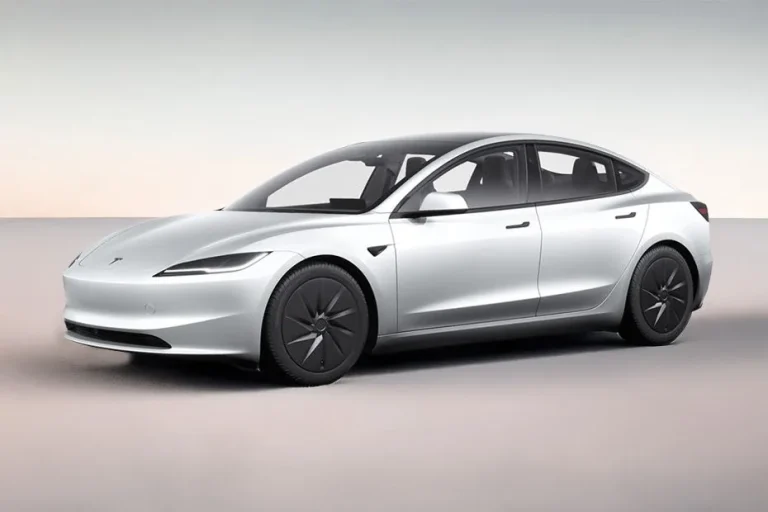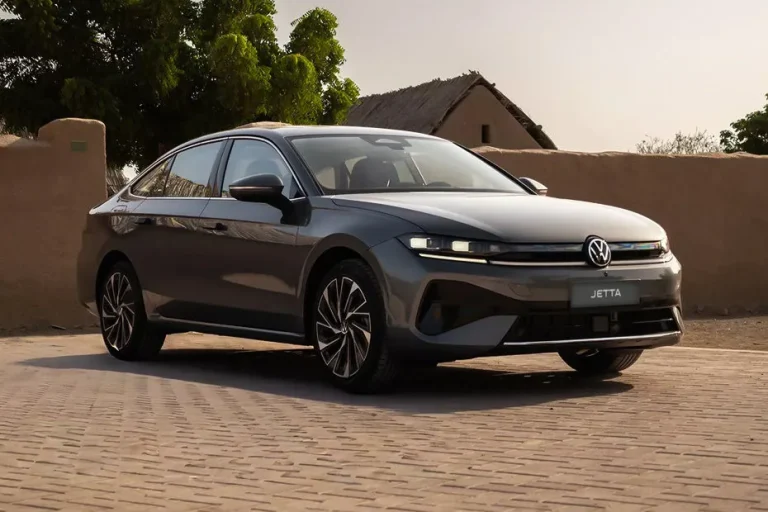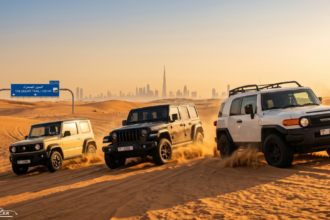
The 2026 UAE EV market share has fundamentally shifted as BYD, NIO, and Zeekr deploy high-capacity (75kWh+) architectures that undercut traditional European pricing. The 2026 UAE EV market share has shifted as brands like BYD deploy 87.04-kWh LFP battery architectures that undercut traditional internal combustion-engine fleet pricing. While Tesla once held the crown, the 2026 sales charts tell a new story, one where Chinese automakers are firmly in the driver’s seat.
It’s not just a fluke. A mix of aggressive pricing, tech that feels like it’s from 2030, and a perfect handshake with the UAE’s sustainability goals has pushed Chinese Electric Cars in the UAE (2026) into the spotlight. Brands like BYD, NIO, and Zeekr in the UAE aren’t just “budget alternatives” anymore; for many people, they’ve become the first choice.
Here’s the breakdown of why this shift is happening so fast.
BYD: The Global Leader Driving UAE Momentum
BYD’s growth has been wild to watch. By the start of 2026, they’ve officially cemented their spot as the world’s top EV seller, even nudging past Tesla in total global deliveries. That kind of momentum carries a lot of weight when it hits the Dubai and Abu Dhabi showrooms.
Why BYD is Winning in the UAE:
- Mass-market appeal: From budget EVs to premium models, BYD covers all segments
- Battery innovation: Advanced Blade battery technology, with LFP battery packs typically ranging between 71.8 kWh and 87.04 kWh in UAE-spec models, enhances safety, durability, and real-world efficiency
- Aggressive pricing: Offers better value compared to traditional competitors
With millions of vehicles sold worldwide, BYD has the manufacturing muscle to ensure that when you want a car, it’s actually available. For UAE buyers, this means no year-long waiting lists, better financing deals, and a lower total cost of ownership. It’s making the jump to electric feel like a total no-brainer.
NIO: Revolutionizing Ownership with Battery Swapping
NIO is playing a completely different game, and it’s one that fits the UAE lifestyle perfectly. Their big “mic drop” moment? Battery swapping.
Instead of sitting around at a charger scrolling through your phone, you just pull into a station, and a machine swaps your depleted battery for a fresh one in approximately 3 to 5 minutes using NIO’s Power Swap Station 3.0, which supports automated exchange of 75 kWh and 100 kWh battery packs. This tech is already humming along in Dubai and Abu Dhabi, and it’s a total lifesaver for people who don’t have home charging or are always on the go.
Why NIO is Gaining Traction:
- The 5-Minute “Charge”: Automated battery swapping completed in 3–5 minutes eliminates downtime and range anxiety.
- Tech-First Vibes: The interiors feel like a high-end lounge filled with smart tech.
- Battery-as-a-Service: You can subscribe to the battery, which significantly lowers the car’s initial price.
In a region where we value our time and love a premium experience, NIO is hitting all the right notes. It’s a luxury that actually solves a problem.
Zeekr: Redefining Luxury EVs in the UAE
Then there’s Zeekr. As the premium arm of Geely, they’ve managed to become a favorite in the UAE’s luxury circles almost overnight. They’ve successfully positioned themselves as the “cool, smart” alternative to the old-school luxury guard.
Key Highlights:
- They’ve already captured about 15% of the UAE’s luxury EV segment, according to 2026 trends.
- They’ve mastered the “accessible luxury” niche, top-tier materials without the eye-watering legacy price tag.
- The focus is heavy on performance and digital features that actually work.
Zeekr is winning over young professionals and tech enthusiasts who want a car that feels as smart as their phone. It’s proof that in 2026, luxury isn’t just about a badge; it’s about the experience.
Why Chinese EV Brands Are Thriving in the UAE
The takeover by BYD, NIO, and Zeekr in the UAE isn’t just luck. It’s a perfect storm of a few key factors:
1. Price-to-Performance Advantage
It’s hard to argue with the math. These cars consistently offer more range, better features, and smarter interiors for a lower price point. In a market that loves a good deal but demands high quality, that’s a winning formula.
2. Rapid Innovation Cycles
While traditional brands might take years to update a model, Chinese brands move at the speed of software. Frequent over-the-air updates and quick hardware refreshes keep these cars feeling brand new long after you drive them off the lot.
3. Strong Government Alignment
The UAE is pushing hard on green initiatives. Chinese brands have aligned themselves perfectly with these goals, making Chinese Electric Cars in the UAE (2026) a central part of the country’s vision for a sustainable future.
4. Expanding Infrastructure
Between NIO’s swap stations and the massive rollout of public fast-chargers across the Emirates, the “where do I charge?” question is finally being answered. The infrastructure is finally catching up to the tech. However, in peak UAE summer conditions (~45°C), real-world EV range can drop by approximately 15–20% due to continuous battery thermal management and cabin AC loads, which typically draw an additional 1–3 kW of power.
5. Changing Consumer Perception
The old skepticism is gone. People have seen these cars on the road, they’ve seen the global sales numbers, and they’ve realized the quality is world-class. Today, driving a BYD or a Zeekr is seen as a savvy, forward-thinking move.
The Tesla Factor: A Shifting Competitive Landscape
Tesla still plays a major role, but its dominance is being challenged.
Chinese EV makers are:
- Undercutting Tesla on price
- Matching or exceeding tech features
- Expanding faster globally
In fact, BYD’s rise to the top of global EV sales highlights this shift in power.
The UAE reflects this global trend, where competition is no longer one-sided.
What This Means for UAE Car Buyers in 2026
If you’re looking for a car right now, you’re in the best position you’ve ever been in.
- More Choices: Whether you want an affordable commuter (BYD), a tech-heavy innovator (NIO), or a luxury powerhouse (Zeekr), there’s an option for you.
- Better Value: Competition is driving prices down and forcing everyone to include better features as standard.
- Zero Stress: With better infrastructure and reliable brands, switching to an EV has never been easier.
Conclusion
The dominance we’re seeing from BYD, NIO, and Zeekr in the UAE isn’t a passing fad; it’s the new reality.
BYD is bringing the scale, NIO is changing how we “fuel” up, and Zeekr is proving that luxury can be high-tech and high-value. Together, they are rewriting the rules of the road. As Chinese Electric Cars in the UAE (2026) continue to flood the market, it’s clear that the automotive world’s center of gravity has shifted, and the UAE is leading the charge into that future.
Frequently Asked Questions
1. Why are BYD, NIO, and Zeekr popular in the UAE in 2026?
They offer advanced technology, competitive pricing, and strong alignment with the UAE’s sustainability and EV adoption goals.
2. How did BYD become the top EV seller globally?
BYD achieved leadership through massive production scale, affordable models, and advanced battery technology like the Blade battery.
3. What makes NIO’s battery swapping unique in the UAE?
NIO enables drivers to swap batteries in minutes at stations across Dubai and Abu Dhabi, eliminating charging wait times.
4. Why is Zeekr gaining popularity in the luxury EV segment?
Zeekr combines premium design, high performance, and smart features at competitive prices, attracting modern luxury EV buyers.
5. Are Chinese electric cars reliable for UAE driving conditions?
Yes, they are designed for durability, offer long ranges, and perform well in extreme temperatures typical of the UAE climate. However, under peak UAE summer conditions (~45°C), high-capacity LFP battery systems (typically 71.8 kWh to 100 kWh) can experience a real-world range reduction of approximately 15–20%. This is primarily due to continuous thermal management loads, where battery liquid-cooling systems and cabin air conditioning together draw an additional 1–3 kW of power during operation.