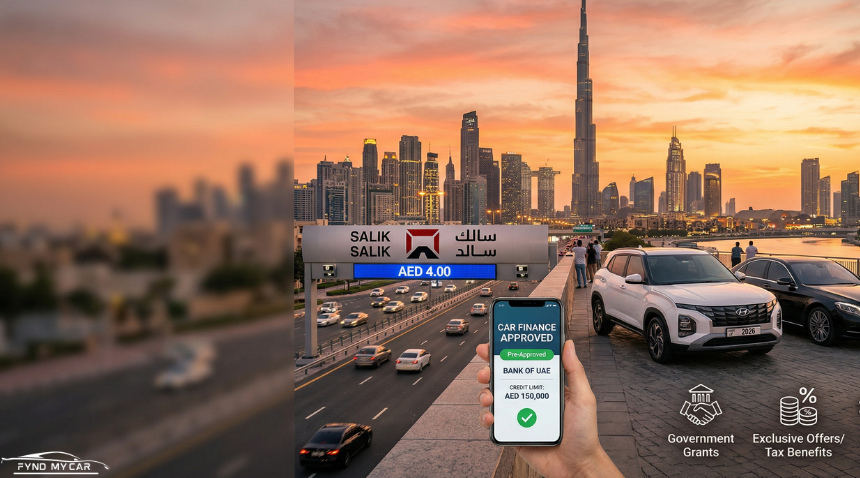
If you’re planning on picking up a set of new wheels in the UAE this year, you’ve probably noticed that the game has completely changed. It’s not just about deciding between petrol and diesel anymore. Now, it’s about weighing up government incentives, getting a grip on how Salik works in 2026, and finding those clever financing loopholes that actually save you money. With the country leaning heavily into greener tech, the process is a bit different from what it used to be.
Consider this UAE car purchase guide your roadmap to navigating the local market, from snagging those EV subsidies to avoiding common pitfalls with your Salik tag.
Why 2026 Is a Unique Year for Car Buyers in the UAE
The way we drive in the UAE is shifting fast. You’ve probably seen the uptick in electric vehicles and hybrids on the road; it’s not a coincidence; it’s by design. The government is pushing hard for a smarter, cleaner transit landscape, and they are backing it up with actual perks.
Between cheaper registration for green cars and banks finally getting on board with more flexible financing, buying a car today feels a bit more strategic. It’s an exciting time, but you do need to be a little sharper with your research than you did even a couple of years ago.
EV Subsidies and Registration Benefits in 2026
If you’re leaning toward an electric vehicle, you’re in luck. Buying a Car in the UAE in 2026 comes with some serious financial sweeteners if you go the green route.
What’s in it for you:
- Registration relief: Depending on which emirate you’re in, you might see these fees slashed or even wiped out completely.
- Salik perks: EV owners often get their Salik tag registration sorted for free.
- Parking wins: Keep an eye out for free or discounted parking zones; it’s a small detail, but it adds up fast.
- Operational costs: When you stop paying for petrol, you realize how much cash was leaking out of your wallet every month.
What’s new to watch for: We’re seeing a massive jump in charging availability, with over 1,800 points now active in Dubai. Plus, banks are finally offering “green” auto loans with rates that actually make sense. It’s moving from being a “niche” choice to the smartest move for your bank account.
Petrol vs Hybrid vs EV: What Should You Choose?
The big question remains: what actually fits your lifestyle?
- The Petrol Traditionalist: You’ll pay less upfront, but be ready to feel the pinch at the fuel pump every week.
- The Hybrid Middle Ground: A great compromise if you’re not quite ready for a plug-in but want better fuel economy.
- The EV Early Adopter: Sure, the sticker price is higher, but if you’re doing 15,000 to 20,000 km a year, the long-term savings are massive.
If you’re strictly an urban commuter, the EV is almost a no-brainer at this point. However, if your weekends involve long-haul desert drives or trips across the borders, a hybrid or petrol car is still your best bet.
Understanding Salik Tags and 2026 Changes
Salik is just a part of life here, but it’s one of those things that can cause major headaches if you don’t stay on top of it.
The Essentials:
- Every car needs a tag. Don’t skip this.
- It’s all automated, but keep an eye on your balance.
- If you’re selling your car, make sure that the account is completely transferred. If you don’t, you might find yourself still paying the new owner’s tolls, which is a headache nobody wants.
2026 Updates: The system is getting smarter. Expect to see adjustments to toll timing during Ramadan and continued integration with the city’s broader smart mobility plans. Always double-check your status online the moment you finalize a purchase.
Hidden Costs Most Buyers Ignore
Even if you get a sweet deal, keep these “invisible” costs on your radar so you aren’t shocked later:
- Insurance: Yes, batteries are expensive to replace, so EV premiums can feel a bit steeper. Shop around; rates are starting to even out.
- The Paperwork: Registration and testing aren’t free (unless you’re in an EV category that waives them). Factor these into your total budget.
- Home Charging: If you’re getting an EV, you’ll want a home charger. It’s an upfront cost, but it’s the only way to get the true convenience of electric ownership.
- Depreciation: Take a look at the resale value. Traditional combustion engines are losing their edge in the used market faster than they used to.
Smart Finance Hacks for UAE Car Buyers
Don’t just walk into a showroom and sign the first paper they hand you.
- Seek out Green Loans: If you’re buying an EV, tell your bank. They often have specific loan products for these that carry lower interest rates.
- Think About Leasing: If you like having a new car every few years, leasing is perfect. It keeps your monthly overhead predictable.
- Boost Your Down Payment: If you can afford to put more down at the start, do it. You’ll save thousands in interest over the life of the loan.
- Shop the Banks: The dealership’s finance partner isn’t always your best option. Check with your own bank first; they might offer a better deal for existing customers.
- Timing is Everything: Aim for sales events like Ramadan or end-of-year clear-outs. Dealers are much more willing to negotiate than.
Step-by-Step Buying Process in 2026
Follow this UAE Car Purchase Guide to keep things smooth:
- Budgeting: Be honest about the total cost (insurance, service, and Salik).
- Selection: Decide on the engine type based on your actual daily driving distance.
- Incentives: Check if your specific car model qualifies for government subsidies.
- Financing: Get your pre-approval sorted before you visit the dealer.
- Inspection: Never skip this, especially for a pre-owned car. A quick professional check-up saves thousands later.
- The Transfer: Get the RTA paperwork done properly.
- Admin: Sort your insurance and Salik account immediately.
Final Thoughts
The UAE car market has evolved into a much more sophisticated landscape. It’s greener, more tech-savvy, and honestly, a lot more rewarding for buyers who do their homework. Whether you’re upgrading to your first EV or just looking for a reliable daily driver, the secret is staying ahead of the policy changes.
If you approach buying a Car in the UAE with a clear head and follow a solidcar-purchase guide, you’ll end up with a vehicle that doesn’t just get you from A to B; it’ll actually make financial sense for years to come.
FAQs
1. What are the main benefits of buying an electric car in the UAE in 2026?
Electric cars offer lower running costs, reduced registration fees, free Salik tags, and access to expanding charging infrastructure.
2. Are there any changes to Salik charges or rules in 2026?
Yes, 2026 includes seasonal toll adjustments and improved smart integration, but standard Salik registration remains mandatory for all vehicles.
3. Is financing an EV cheaper than a petrol car in the UAE?
Many banks offer green auto loans with lower interest rates, making EV financing often cheaper than traditional petrol vehicles.
4. What hidden costs should I consider when buying a car in the UAE?
Consider insurance, registration fees, maintenance, depreciation, and possible home charger installation costs for electric vehicles.
5. Is it better to lease or buy a car in the UAE in 2026?
Leasing offers flexibility and lower upfront costs, while buying is better for long-term ownership and avoiding continuous monthly payments.