


Are you looking to sell your current vehicle or purchase a pre-owned car in the UAE? Navigating the official process of transferring car ownership can take a toll on your time and patience. Ensuring a smooth, legal, and hassle-free transaction, you have to make sure that you are updated with the trending car news and updates. You’ve to keep in mind the requirements and the steps behind the process.
Ensuring you have a smooth and seamless transfer of your car, all you need is the right information and a little preparation. Having the right information, you can ensure that you are fully prepared for the process.
This blog dives into what car ownership transfer is, the requirements for transferring your car and the steps for transferring.
What is Car Ownership Transfer?
Governed by the standards of Dubai’s Roads and Transport Authority (RTA), car ownership transfer in the UAE is mandatory whenever a vehicle changes hands. Whether through a private sale or a dealership purchase, it’s the official process of updating the vehicle’s registration to reflect the new owner. Being a legal necessity that shifts responsibility and legal title, this formal change is more than just a formality.
This legal shift absolves the seller of future liabilities and grants the buyer full and recognized proprietorship. Streamlining this journey, the RTA offers multiple avenues for completing the transfer, ensuring accessibility and convenience for all parties involved.
What Are The Requirements for Transferring Your Car in the UAE?
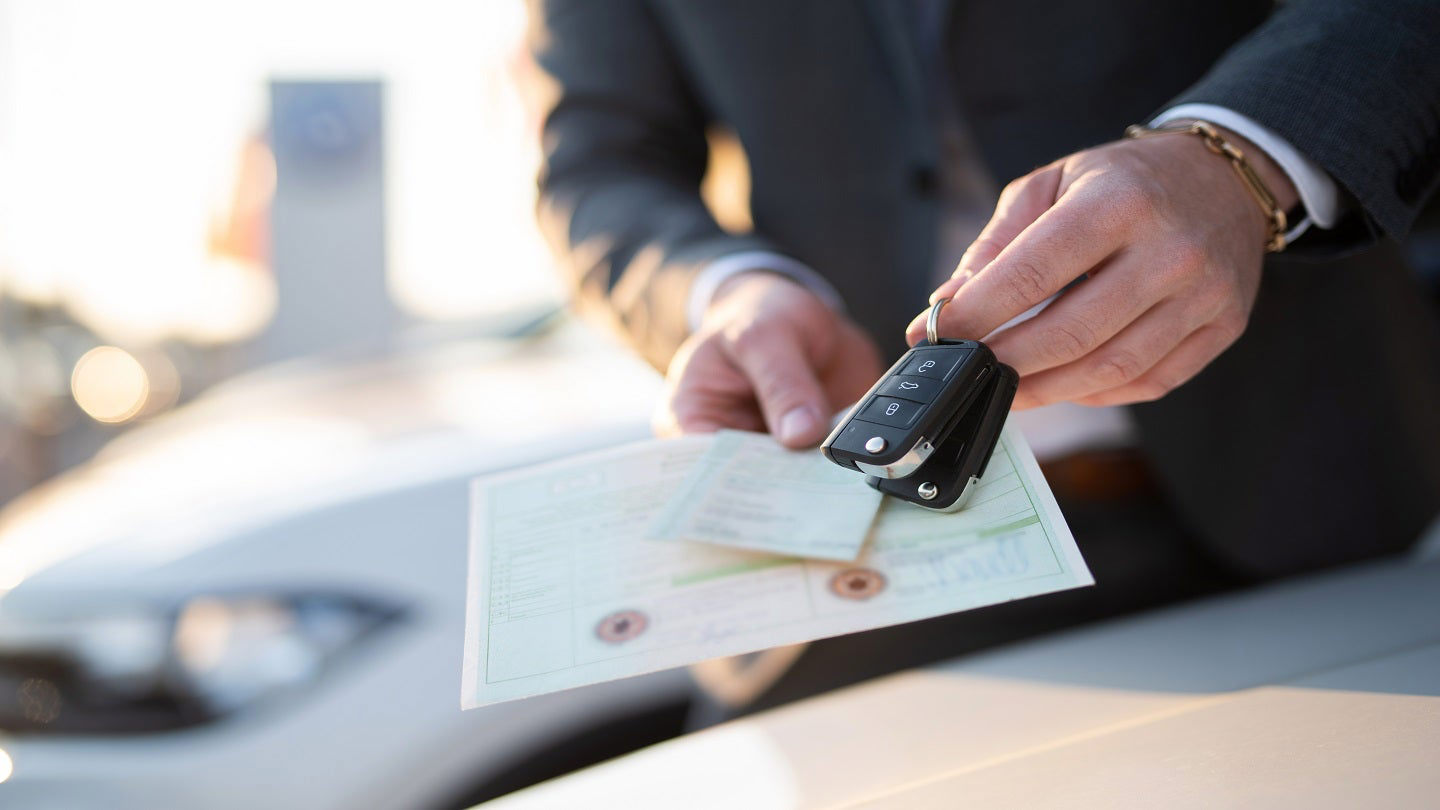
To ensure a smooth car ownership transfer in the UAE, you need to be prepared with the necessary documentation and fulfill specific conditions. The requirements differ slightly depending on whether you are the seller or the buyer, and the emirate where the transaction takes place.
Given below are the documents required for transferring your car ownership:
- Vehicle Registration Card (Mulkiya)
If you’re a seller, you must have this document. Ensuring that the vehicle is legally registered under your name is the initial step for the transfer.
- UAE Driving License
If you’re the buyer, you need to present a valid UAE Driving License. This verifies your eligibility to legally operate a vehicle within the Emirates.
- Emirates ID
Both the buyer and the seller must present their original and a copy of their valid Emirates ID. This acts as a crucial identity proof in all government transactions.
- Passport and Visa
You will need to present your valid passport and residence visa. This is particularly relevant for expatriates to confirm their residency status in the UAE.
- Insurance Certificate
The buyer must procure new car insurance in their name before the transfer is completed. The insurance certificate is mandatory for vehicle registration.
- Sale Agreement
A formal agreement outlining the terms of the sale, including the agreed price, is essential. This protects both parties and formalizes the transaction.
- No Objection Certificate (NOC)
If the vehicle was under finance (loan), the seller must obtain an NOC from the financing bank. This confirms that all outstanding dues have been settled.
Step-By-Step Guide To Transfer Car Ownership in the UAE
Allowing for a smooth transfer of your car, you’ve to ensure that you follow the steps required by the RTA and other authorities. Ensuring that your transfer process is as fast and compliant as possible, the recent car news will offer you the latest information on any procedural changes.
Given below are the steps for a smooth transfer of ownership:
- Document Submission
Presenting all the necessary documents, from both the seller’s and the buyer’s end, this step is crucial for initiating the ownership transfer process. Reviewing and verifying all the documents, the agent will ensure compliance with RTA regulations. You get to ensure that all the paperwork is in order before proceeding to the next step.
- Vehicle Inspection
Confirming if the vehicle is worthy of legal operation in the UAE, this inspection is mandatory. The auto industry news often highlights the increasing rigor of these inspections to ensure compliance with the latest safety standards. Preventing the sale of unsafe or heavily modified vehicles, this step is a critical checkpoint.
- Fee Payment
The applicable transfer fees must be paid once the inspection is successfully completed. Allowing for a smooth and efficient transfer, these fees cover the inspection, the transfer service, and the issuance of the new registration card. Depending on the vehicle type and the specific service center, the total amount can vary.
- Receive New Registration
Upon successful payment and completion of all preceding steps, the RTA issues the new Vehicle Registration Card (Mulkiya) in the buyer’s name. Confirming the legal transfer of ownership, this final document allows the buyer to be a recognized proprietor of the vehicle in the UAE.
Final Thoughts
Transferring car ownership in the UAE is a structured process that establishes transparency and legality. Adhering to the required steps ensures compliance with RTA regulations and the complete legal handover of the vehicle.
Staying current with the latest auto industry news and RTA updates facilitates a quicker and more efficient experience. Having all legal formalities meticulously handled, you can enjoy driving on UAE roads with absolute peace of mind.
FAQs
How long does the car ownership transfer process typically take?
The process is relatively quick, often taking less than an hour if all documents are in order and the vehicle passes inspection immediately.
What are the estimated fees for car ownership transfer in the UAE?
The estimated fees can vary depending on the service center and the vehicle type.
Can the transfer be done if the vehicle has outstanding traffic fines?
Fines must be cleared before the transfer can be completed. The RTA systems are designed to flag any outstanding fines, preventing the registration process from proceeding until all dues are settled.
Is the seller required to be present for the transfer?
The seller’s presence is generally required to formally sign the transfer papers and hand over the Vehicle Registration Card.
What happens if the vehicle fails the inspection?
The seller must rectify the issues flagged during the inspection. The vehicle will then need to undergo a re-inspection to ensure compliance with all safety and technical standards.