
Introduction
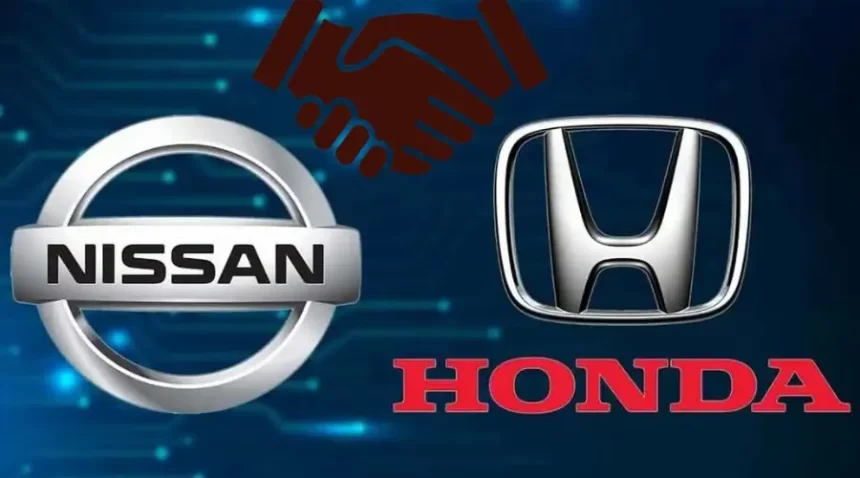
The vehicle industry is about to be greatly revolutionized. Two of the most iconic automakers in Japan, Honda and Nissan are strategizing a merger that would potentially transform the industry. To drivers and car lovers, this merger is not all about corporate news- it is how the merger may affect the cars you drive, the technology you are exposed to, and the prices you pay.
There is more than a business headline to this merger. It translates into more rapid access to electric vehicles (EVs) and the development of superior connected technologies, and probably to better prices due to cost efficiencies to users. This guide disaggregates the contents of the merger, the rationale behind the merger and its implications on the ordinary drivers.
Why Honda and Nissan are coming together?
The international automotive sector is developing at a very high pace. EVs no longer are a niche, and software-controlled vehicles are becoming the standard. Both Honda and Nissan understand that to compete with global powerhouses and new entrants – such as Tesla and upcoming brands in China – they need scale, cooperation and technology sharing.
There are three main objectives of the merger:
- Electrification and Software Innovation:
Honda and Nissan can pool their resources and build smarter, safer and more efficient cars by expediting the emergence of electric vehicles and software-defined platforms.
- Cost Optimization:
Research and development, production, and efficient supply chains can lower the cost of vehicles, which may subsequently be transferred to lower priced EVs to consumers.
- Market Competitiveness: The merger of Honda and Nissan would make them the third-largest automaker in the world based on sales, and help them compete better with Toyota, Volkswagen, and other major manufacturers.
Key Areas of Collaboration
- Development of Electric Vehicles
The merger enables the two companies to combine research in the next-generation batteries, motors, and EV platforms. For consumers, this means:
- Increased speed of introduction of lower-cost and longer-range EVs.
- Better infrastructure integration around charging.
- Better selections of smaller and larger cars and SUVs.
- Intelligent Technology and Networking.
The two manufacturers are making massive investments in software-programmed cars. The merger could accelerate:
- Accelerated driver-assistance systems (ADAS).
- Smooth connectivity capabilities such as in-built navigation, intelligent infotainment, and over-the-air updates.
- More independent and safe driving.
- Production and Supply Chain Efficiency
Honda and Nissan are able to reduce the cost of production by integrating procurement and manufacturing. The advantage to the user may be:
- Minor price cuts on cars with time.
- Improved delivery of new models.
- Greater supply of parts and service selections.
Challenges to Watch
Although there is potential to the merger, there are challenges that can impact the timeline and results:
- Governance and Corporate Culture: Both firms possess different management styles that might make decision making complex.
- Integration Risks: It is complicated to combine supply chains, dealerships and production lines.
- Regulatory Consents: A large-scale merger must undergo clearance by the global and national authorities.
In spite of these hurdles, the two firms have shown their interest in ensuring that they integrate smoothly with customer interests being the priority.
Users Benefits
To the people who are thinking of their next buy of a car, the Honda-Nissan merger may have some tangible benefits:
- Better EV Solutions: A joint R&D project may come up with more efficient, longer-range EVs at prices that are more competitive.
- More Safety Technology: Common tech might help to speed up the implementation of more advanced driver-assistance technology in a greater number of models.
- Expanded Model Range: Cooperation can result in the introduction of new vehicle platforms, which provide drivers with greater options of size, style and utility.
- Potential Cost Saving: This could be useful in taming the prices of vehicles through efficient production and economies of scale, despite increasing technology.
- Global Support Network: This might be associated with combined services networks and dealerships, which would provide more convenient access to maintenance and spare parts.
Future Implication of this Merge
Honda-Nissan merger is not just a corporate strategy, but a change in how drivers would potentially view cars in the next ten years. Customers were able to enjoy:
- More rapid development of EVs and connected cars.
- Lower priced, more sturdy, and secure vehicles.
- Greater market competition, which may be the source of superior bargains and capabilities to the purchaser.
The merger can also help make the approach to sustainable mobility solutions (such as electric and hybrid vehicles) faster and more accessible to all, as well as make these vehicles more accessible to the everyday driver, which will be of great interest to tech enthusiasts and environmentally-conscious driver.
Conclusion
Honda-Nissan merger is a critical development in the auto industry. In addition to establishing one of the biggest automakers in the world, it is a sign of innov
FAQ
Q1: Will this merger impact on the price of Honda or Nissan cars?
A1: In the long-term, joint resources and economies of scale might aid in regulating prices, particularly EVs.
Q2: Does the merger enhance availability of EV?
A2: Yes, having both R&D and production forces will result in a greater number of EV choices being available to consumers more quickly.
Q3: Does the quality of vehicles have risks?
A3: The two companies are strictly adhering to quality standards although integration issues might have a temporary impact on supply chains or launching of particular model.
e companies wish to keep collaborating and equally growing Honda’s and Nissan’s brands. Furthermore, the combined holding firm will own all of Nissan and Honda’s subsidiaries.
Q. Why is Nissan famous?
A. Nissan is currently well known for its commitment to dependability, innovation, and quality. Nissan has something to offer drivers of all tastes and price ranges, from its range of dependable sedans and economical SUVs to its renowned sports cars and performance vehicles.
Q4: What will be the effect on dealerships?
A4: There is a possibility of consolidating some dealerships, although the aim is to have a good network of services to the users.