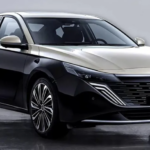

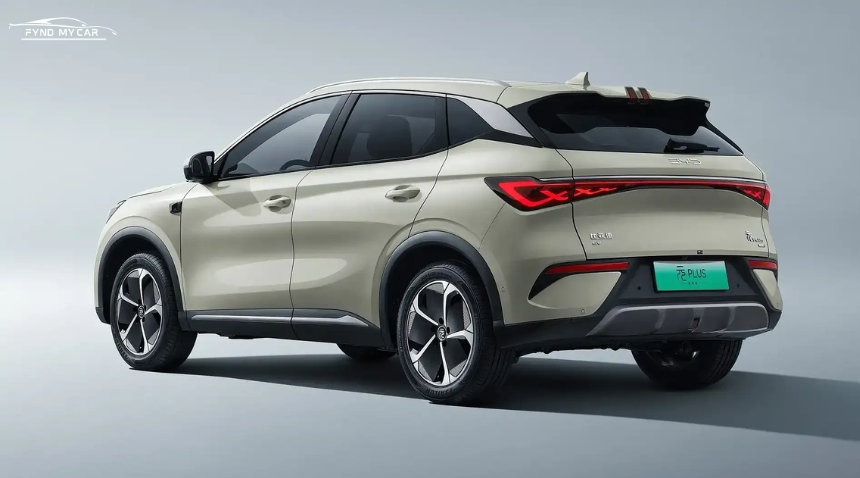
The landscape of urban mobility in the United Arab Emirates is shifting rapidly. Dubai is becoming a smart, sustainable city, with the electric vehicles (EVs) at charging stations across the Green Parking zones. Amidst this transition, the BYD Atto 3 2026 global update has emerged as a significant talking point in the latest auto sector news.
For residents navigating the unique demands of Dubai, ranging from high-speed highway commutes on Sheikh Zayed Road to the grueling summer heat, practicality is the ultimate luxury.
Are you a trending car news enthusiast? Dive through this blog to explore why updated Atto 3 stands as the practical choice for daily driving in the region, staying abreast of car updates and trends.
Evolution of the Compact Electric SUV
The 2026 model addresses this by enhancing the integration between the vehicle’s hardware and the digital ecosystem required for modern urban living.
For Dubai drivers, a car is more than just a mode of transport; it is a mobile sanctuary against the external environment. The global update brings subtle but impactful changes to the thermal management systems and cabin ergonomics, ensuring the vehicle remains competitive in a market that demands both efficiency and comfort.
Battery Technology and Performance in Extreme Heat
One of the most critical factors for any EV in the Middle East is how it handles the mercury rising above 45°C. The 2026 Atto 3 continues to utilize the proprietary Blade Battery technology, which is a staple in EV safety and longevity.
Thermal Management and Efficiency
The 2026 update introduces an optimized heat pump system. In Dubai’s climate, the air conditioning system is often running at maximum capacity. The updated system is designed to maintain cabin coolness without severely depleting the driving range. This efficiency is vital for those commuting from suburban areas like Damac Hills or Silicon Oasis to the central business districts.
Range for the Daily Commute
With a battery capacity that typically offers around 400 to 480 kilometers (WLTP) depending on the configuration, the Atto 3 covers the average Dubai daily commute multiple times over on a single charge. As the UAE has one of the highest concentrations of fast chargers per capita, the practicality of the Atto 3 is bolstered by the country’s robust infrastructure.
The Role of Infrastructure in Practicality
No EV is practical without a place to charge. Dubai’s infrastructure is perfectly suited for the Atto 3. With the expansion of Tesla Superchargers (now open to other brands in some regions) and the ubiquity of DEWA Green Chargers at malls, public parks, and government buildings, the Atto 3 user is rarely more than a few kilometers away from a power source.
In 2026, a car is effectively a smartphone on wheels. The Atto 3’s global update emphasizes connectivity. With a dedicated mobile app, Dubai drivers can pre-cool their car ten minutes before leaving their office. In a climate where a car’s interior can reach 60°C when parked in the sun, this “practical” feature is a game-changer.
Safety Features Designed for Highway Driving
Dubai’s roads are high-speed environments. The car tuning news highlights that the 2026 Atto 3 has received updates to its Advanced Driver Assistance Systems (ADAS).
- Adaptive Cruise Control: Essential for the long stretches of the E11, the updated system is smoother in stop-and-go traffic.
- Blind Spot Monitoring: With multi-lane highways, having a reliable sensor network is a prerequisite for safety.
- 360-Degree Camera: Parking in tight spots in areas like Dubai Marina or Deira is made significantly easier with the high-definition bird’s-eye view provided in the 2026 update.
Benefits for Everyday Driving in Dubai
- Cost of Fueling vs. Charging: While petrol remains relatively affordable in the UAE compared to Europe, the cost of electricity for EVs remains significantly lower.
- Maintenance and Reliability: EVs generally require less maintenance than internal combustion engine (ICE) vehicles due to fewer moving parts.
- Size: Large enough for a family of five, yet small enough for urban maneuvering.
- Range: More than sufficient for cross-emirate travel (e.g., Dubai to Abu Dhabi and back).
- Climate Resilience: Specifically updated to handle the thermal loads of hot regions.
Conclusion
The BYD Atto 3 2026 global update solidifies its position as a frontrunner for anyone seeking a dependable, tech-forward, and efficient vehicle for life in the UAE. It is blending high-end battery safety with features specifically tuned for warmer climates such as advanced thermal management and remote cooling. It addresses the core needs of the regional driver.
As the city continues to expand its green infrastructure, the practicality of owning an EV like the Atto 3 only increases.
While the market for electric SUVs is growing, the 2026 Atto 3 remains a standout choice for those who value efficiency without sacrificing the modern luxuries required for a comfortable daily commute. Keeping up with the latest auto sector news confirms that for Dubai’s unique urban environment, this model is a highly logical and future-proof investment.
FAQs
1. How long does it take to charge the 2026 Atto 3 at a Dubai public charging station?
The Atto 3 can typically charge from 10% to 80% in about 40 to 45 minutes. For home charging using a 7kW AC wallbox, a full charge from empty will take approximately 8 to 9 hours.
2. Does the Dubai heat affect the battery life of the Atto 3?
The 2026 model uses advanced liquid cooling and blade battery technology. While extreme heat can slightly impact efficiency, the dedicated thermal management system ensures the battery’s longevity is protected.
3. Is the Atto 3 suitable for highway driving between Dubai and Abu Dhabi?
Yes, the Atto 3 is well-suited for this route as its real-world range comfortably covers the 150km distance each way.
4. What are the main interior updates in the 2026 global version?
The 2026 update features a more responsive infotainment processor and updated cabin materials designed for better UV resistance. It also includes refreshed software interfaces that offer better integration with local navigation and charging infrastructure apps.
5. Can the Atto 3’s cabin be cooled remotely via a smartphone?
Yes, through the vehicle’s connectivity app, owners can remotely start the climate control system to cool the cabin before entering. This is a highly practical feature for Dubai residents to combat the intense summer heat during outdoor parking.