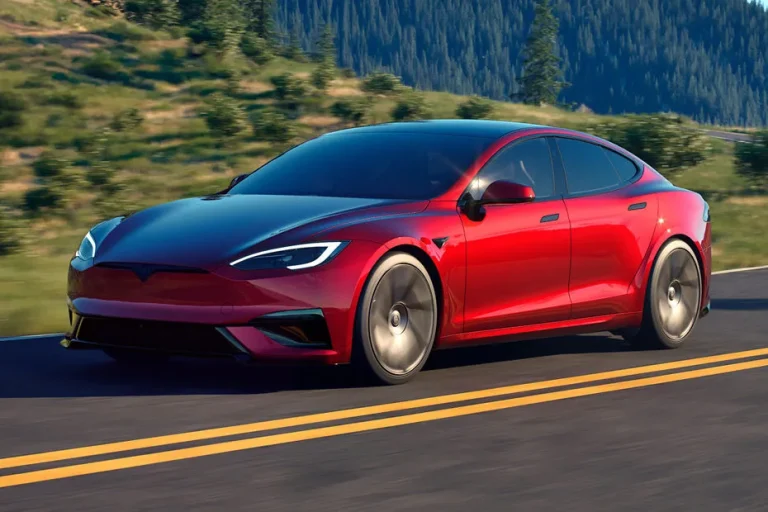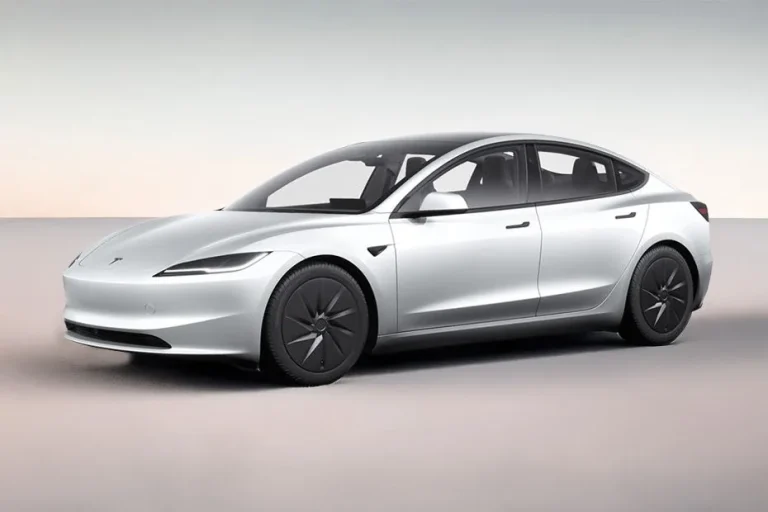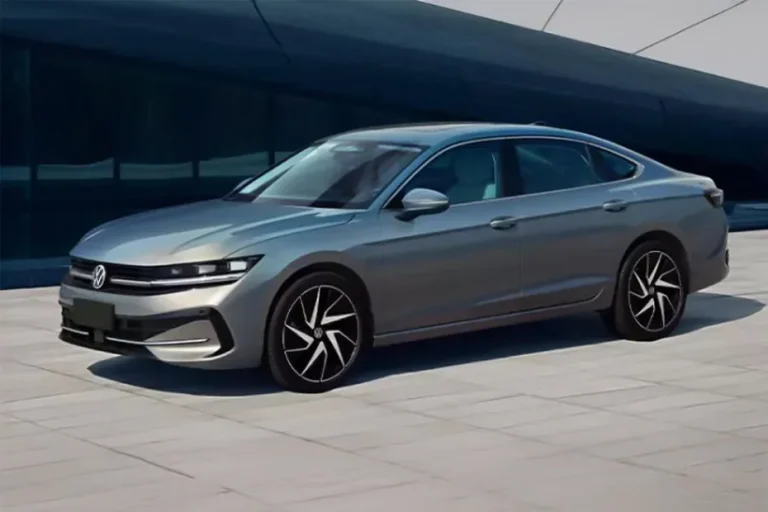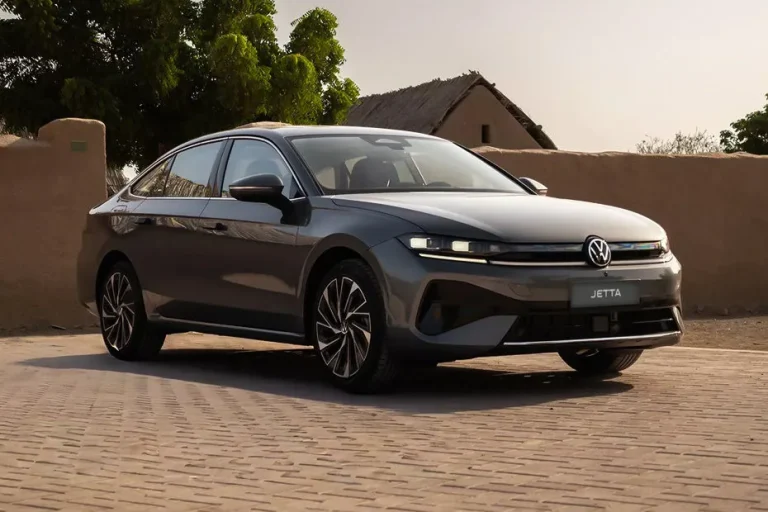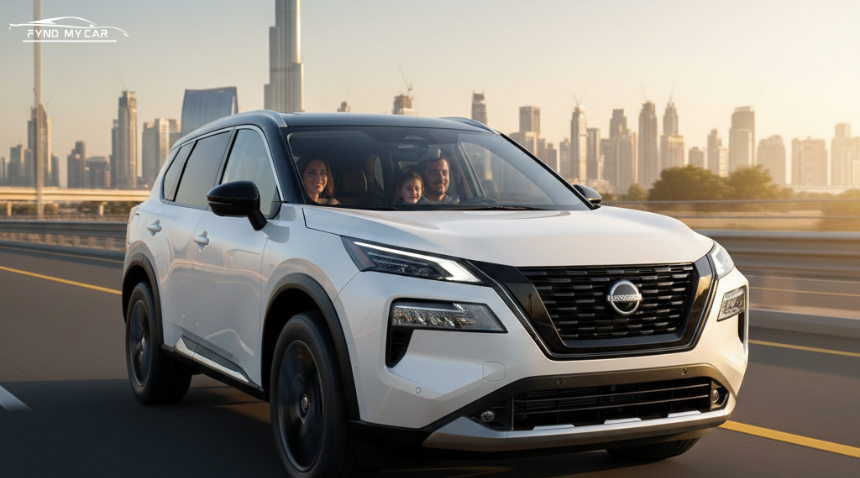
The UAE has always had this habit of moving fast. One moment it’s futuristic skylines, the next it’s smart cities, and now, it’s cleaner mobility. If you look around on the roads today, the change is already happening. Hybrid and Electric Vehicles (EVs) are no longer rare sightings or “concept” conversations. They’re slowly becoming part of everyday driving talk.
This shift didn’t happen overnight, and honestly, it’s still unfolding. But it is picking up pace. Government initiatives, changing buyer mindsets, and rapid improvements in vehicle technology are all pushing things forward at once.
In a market like this, tracking the latest automotive trends helps connect the dots. It explains why electrification in the UAE isn’t just a global trend being copied; it’s turning into a very local, very real movement.
Why the UAE Is Moving Toward Hybrid and EV Cars
The transition toward hybrid and electric vehicles in the UAE isn’t driven by one single reason. It’s more like several forces nudging the market in the same direction at the same time, like policy, economics, and lifestyle choices all mixed together.
1. Government Vision and Sustainability Goals
The UAE’s long-term sustainability plans, including Net Zero 2050, have made one thing clear: cleaner transportation matters. Road transport emissions are under the spotlight, and EVs are seen as one of the most practical ways to reduce them without slowing growth.
2. Fuel Efficiency Without Compromise
Fuel prices in the UAE are relatively stable, yes, but buyers still think long-term. Running costs, efficiency, and future savings matter more than they used to. Hybrid vehicles, especially, feel like a sensible step. They improve fuel economy without forcing drivers to completely change how they drive.
3. Infrastructure That Supports Change
Charging stations are popping up more often, such as in malls, office complexes, residential areas, and even on highways. That steady growth has helped reduce range anxiety, which used to be a big hesitation point for EV buyers.
Hybrid Vehicles: The Practical First Step
For many drivers in the UAE, hybrid cars feel like the “safe middle.” Not too radical, not too traditional. You don’t have to rethink your routine, but you still cut fuel usage and emissions in a noticeable way.
Why Hybrids Appeal to UAE Consumers
- No dependency on charging infrastructure
- Smooth performance in city traffic
- Better mileage during long daily commutes
- Lower emissions without sacrificing convenience
Because of this balance, hybrid sedans and SUVs are especially popular with families and professionals, people who want efficiency but aren’t quite ready to go fully electric just yet.
Electric Vehicles: From Luxury to Mainstream
Not long ago, EVs in the UAE were mostly seen as premium, experimental, or even a little impractical. That perception? It’s changing, and fast.
Growing Consumer Confidence
Modern EVs now offer longer driving ranges, quicker charging, and stronger safety systems. As more models enter the market, across different price brackets, EV ownership feels far more realistic for everyday buyers.
Performance That Matches Expectations
There’s also the performance factor. Despite old assumptions, electric cars deliver instant torque and smooth acceleration. That combination of comfort and responsiveness fits well with what UAE drivers generally expect from their vehicles.
This shift in mindset shows up regularly in automobile industry news today, where EV launches and adoption numbers seem to take center stage.
Role of Global and Regional Automakers
Almost every major automotive brand in the UAE has adjusted its strategy. Hybrid and EV offerings are no longer optional extras; they’re becoming core to brand portfolios.
Key Trends Among Automakers
- Launch of UAE-specific EV models suited for hot climates
- Improved battery cooling systems for desert conditions
- Local partnerships to support charging infrastructure
- Strong after-sales support for electric drivetrains
All of this aligns closely with broader automotive market news, showing how global electrification plans are being carefully adapted for regional realities.
Consumer Behavior: What UAE Buyers Are Really Thinking
Today’s UAE car buyer is informed, digitally connected, and more environmentally aware than before. Still, buying a car is emotional. Practicality and aspiration are always in quiet competition.
Key Factors Influencing Buying Decisions
- Total cost of ownership
- Brand reliability and service network
- Availability of charging at home or work
- Resale value and long-term maintenance
An interesting pattern has emerged: many first-time EV buyers already owned hybrids before. That suggests hybrids are acting as a natural stepping stone toward full electrification.
Challenges That Still Exist
Even with strong momentum, the move toward hybrid and EV vehicles isn’t completely smooth.
Infrastructure Gaps
Urban areas are well covered, but charging access in remote or less-developed regions still needs work.
Battery Longevity Concerns
Battery technology has improved a lot, yet some buyers remain cautious, especially about long-term durability and replacement costs in extreme heat.
Awareness and Education
There are still misconceptions around EV maintenance, performance, and reliability. Clearing those up is key for broader adoption.
These points are often debated in top auto news, usually alongside updates on new technologies trying to address them.
The UAE’s Role in the Global EV Movement
The UAE isn’t just following the electric mobility trend; it’s helping shape it regionally. From EV exhibitions to clean energy investments, the country is positioning itself as a Middle East leader in sustainable transport.
Government incentives, fleet electrification programs, and corporate sustainability goals are making electric mobility feel both practical and aspirational. This leadership angle is frequently highlighted in regional industry reports, highlighting the UAE’s influence beyond its borders.
What the Future Looks Like
Looking ahead, the UAE automotive market is expected to see:
- A steady rise in EV sales year over year
- More affordable electric models are entering the market
- Increased focus on locally relevant EV technologies
- Greater integration of smart mobility and connected vehicle features
As regulations tighten and awareness grows, hybrids may slowly give way to fully electric vehicles. Still, both will likely coexist for quite some time, offering flexibility during this transition.
This shift continues to dominate automobile industry news today, reinforcing one clear idea: electrification isn’t optional anymore; it’s happening.
Final Thoughts
The move toward hybrid and electric vehicles in the UAE is about more than engines and batteries. It reflects a broader shift in how people think about mobility, sustainability, and long-term value. With strong infrastructure, supportive policies, and rising consumer confidence, the UAE is steadily becoming a regional reference point for clean automotive innovation.
And as automotive market news keeps highlighting new launches, investments, and adoption milestones, one thing feels certain: the road ahead for the UAE automotive sector is quieter, cleaner, and unmistakably electric.
Frequently Asked Questions (FAQs)
1. Why is the UAE automotive market shifting toward hybrid and electric vehicles?
The shift is driven by sustainability goals, fuel efficiency awareness, government initiatives, and expanding EV charging infrastructure.
2. Are electric vehicles suitable for the UAE’s hot climate?
Yes, modern EVs use advanced battery cooling systems designed to perform reliably in high temperatures and desert environments.
3. Do hybrid cars require charging like electric vehicles?
No, hybrids recharge automatically through the engine and regenerative braking, so external charging is not required.
4. Is charging infrastructure widely available across the UAE?
Charging stations are common in cities, malls, offices, and highways, with steady expansion into newer regions.
5. Will electric vehicles become more affordable in the UAE?
Yes, rising competition, incentives, and expanding model ranges are gradually lowering EV ownership costs.