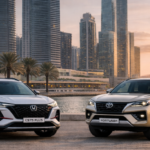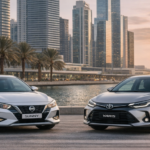

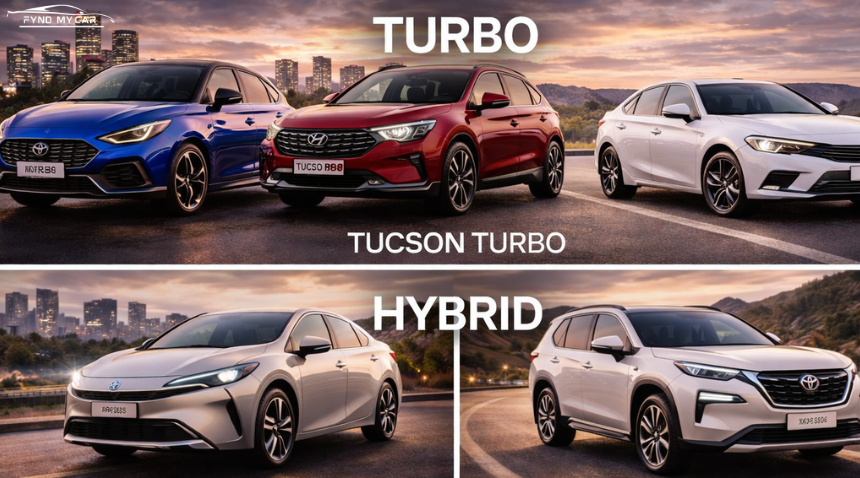
By 2026, the UAE automotive market will be undergoing one of its most significant transformations in over a decade. The era of large-displacement V8 engines dominating showrooms in Dubai and Abu Dhabi is gradually giving way to turbocharged and hybrid powertrains. According to the latest news in the auto industry, what once defined performance in the Emirates, engine size and cylinder count, is now being replaced by torque efficiency, thermal intelligence, and electrified support systems.
This is not simply a design trend. It is an engineering shift driven by regulation, technology, and evolving market logic.
Why 2026 Marks a Turning Point?
Across global markets, including the GCC, stricter fuel-efficiency and emissions mandates are reshaping vehicle development. Manufacturers are required to reduce fleet fuel consumption significantly, pushing brands like Toyota and Nissan to phase out legacy V8 platforms in favor of smaller, forced-induction engines.
For UAE drivers, this shift may seem surprising. The V8 has long been the gold standard for desert capability, highway cruising on the E11, and strong resale value. However, 2026 models demonstrate that performance is no longer about displacement; it is about pressure and intelligent power delivery.
The Rise of Twin-Turbo Power
Turbocharging allows smaller engines to produce more power by forcing additional air into the combustion chamber. In practical terms, a modern 3.5L twin-turbo V6 can now generate more torque than older 5.6L naturally aspirated V8 engines.
Why does this matter in the UAE? Because it is critical for:
- Dune driving in Liwa or Al Badayer
- Confident overtaking on highways
- Towing and heavy-load driving
Modern twin-turbo engines deliver peak torque at lower RPMs, meaning drivers experience strong pulling power earlier and more consistently. Combined with lighter vehicle platforms and advanced multi-speed transmissions, these SUVs are often quicker and more responsive than their V8 predecessors.
The familiar V8 rumble may be fading, but from a performance standpoint, the numbers tell a different story, something frequently highlighted in the latest news on new cars across the region.
Hybrid Technology: More Than Just Fuel Savings
If turbocharging represents efficiency through pressure, hybridization represents efficiency through assistance. Hybrid systems combine a petrol engine with an electric motor. In 2026 flagship SUVs, this setup is not just about reducing fuel consumption; it is about enhancing performance.
Electric motors deliver instant torque at 0 RPM. This eliminates turbo lag and provides seamless acceleration from a standstill, particularly useful in Dubai traffic or technical off-road conditions.
For UAE drivers, hybrids offer three major advantages:
- Immediate throttle response
- Improved fuel economy amid fluctuating fuel prices
- Compliance with emerging regional efficiency regulations
Rather than being a compromise, hybrid systems in 2026 models function as performance multipliers.
Built for Middle East Conditions
One common concern among UAE buyers is reliability in extreme heat. With summer temperatures exceeding 50°C in some regions, thermal management is critical.
Manufacturers have responded with advanced cooling architectures, including:
- Independent electric coolant pumps
- Improved intercooling systems for turbochargers
- Enhanced battery chemistry designed for high ambient temperatures
Modern hybrid batteries, particularly those using lithium iron phosphate (LFP) technology, are engineered to maintain stability in desert climates. Additionally, 2026 platforms undergo durability testing tailored specifically for Middle Eastern conditions. In short, these systems are not experimental; they are climate-calibrated.
Resale and Ownership Economics in the UAE
Perhaps the most noticeable shift is happening in resale dynamics.
Historically, V8-powered SUVs commanded strong resale value across the Emirates. However, as manufacturers gradually phase out large-displacement engines and regulatory standards tighten, newer turbo and hybrid models are positioned to retain stronger long-term value.
Why?
- Better fuel efficiency reduces ownership costs
- Compliance with future GCC standards protects resale demand
- Advanced transmissions reduce mechanical stress
- Parts and servicing align with newer production cycles
For buyers thinking beyond immediate performance, the 2026 engine shift reflects a broader economic recalibration.
Conclusion
The 2026 transition is not the end of performance in the UAE; it is a redefinition of it. Power is no longer measured solely by engine size. It is measured by how efficiently torque is delivered, how intelligently systems manage heat, and how effectively vehicles balance performance with regulatory realities.
For UAE drivers, choosing turbocharged and hybridized SUVs is less about sacrificing tradition and more about adopting the next stage of automotive engineering. The V8 era may be closing, but the age of high-efficiency, high-torque performance has officially begun.
FAQs
1. Are turbocharged engines reliable in UAE desert conditions?
Yes. Modern 2026 turbo engines are specifically engineered for high-temperature environments like the UAE. They feature advanced cooling systems, improved intercoolers, and electric coolant pumps that prevent heat-related damage. Manufacturers also conduct Middle East durability testing to ensure performance in desert driving conditions.
2. Is a hybrid SUV powerful enough for dune driving?
Absolutely. Hybrid SUVs often deliver more torque than older V8 models because electric motors provide instant torque at 0 RPM. This immediate power delivery is particularly beneficial for soft sand driving and low-speed off-road maneuvers.
3. Will turbo and hybrid vehicles cost more to maintain in the UAE?
Maintenance structures are evolving, but modern turbo and hybrid systems are designed for long service intervals. While hybrid systems have additional components like batteries and electric motors, they also reduce strain on the petrol engine, which can balance long-term ownership costs.
4. Do hybrid batteries overheat during UAE summers?
No. 2026 hybrid models use advanced battery chemistries and active thermal management systems designed to operate in extreme temperatures, including 50°C+ conditions common in the Emirates.
5. Will turbo and hybrid SUVs have better resale value than V8 models?
Market trends suggest that newer turbo and hybrid models may retain value more effectively because they align with future emission standards and fuel-efficiency expectations. As V8 production declines globally, demand may gradually shift toward newer-generation powertrains in the UAE resale market.